
Smart Flow Lab | Technology Analysis
Regulators Face AVs: Reshaping Transport
By Mohamed Ismaili • • Senior Technology Analyst, Smart Flow Lab • 5 min read
Government agencies tackle complex rules for self-driving cars
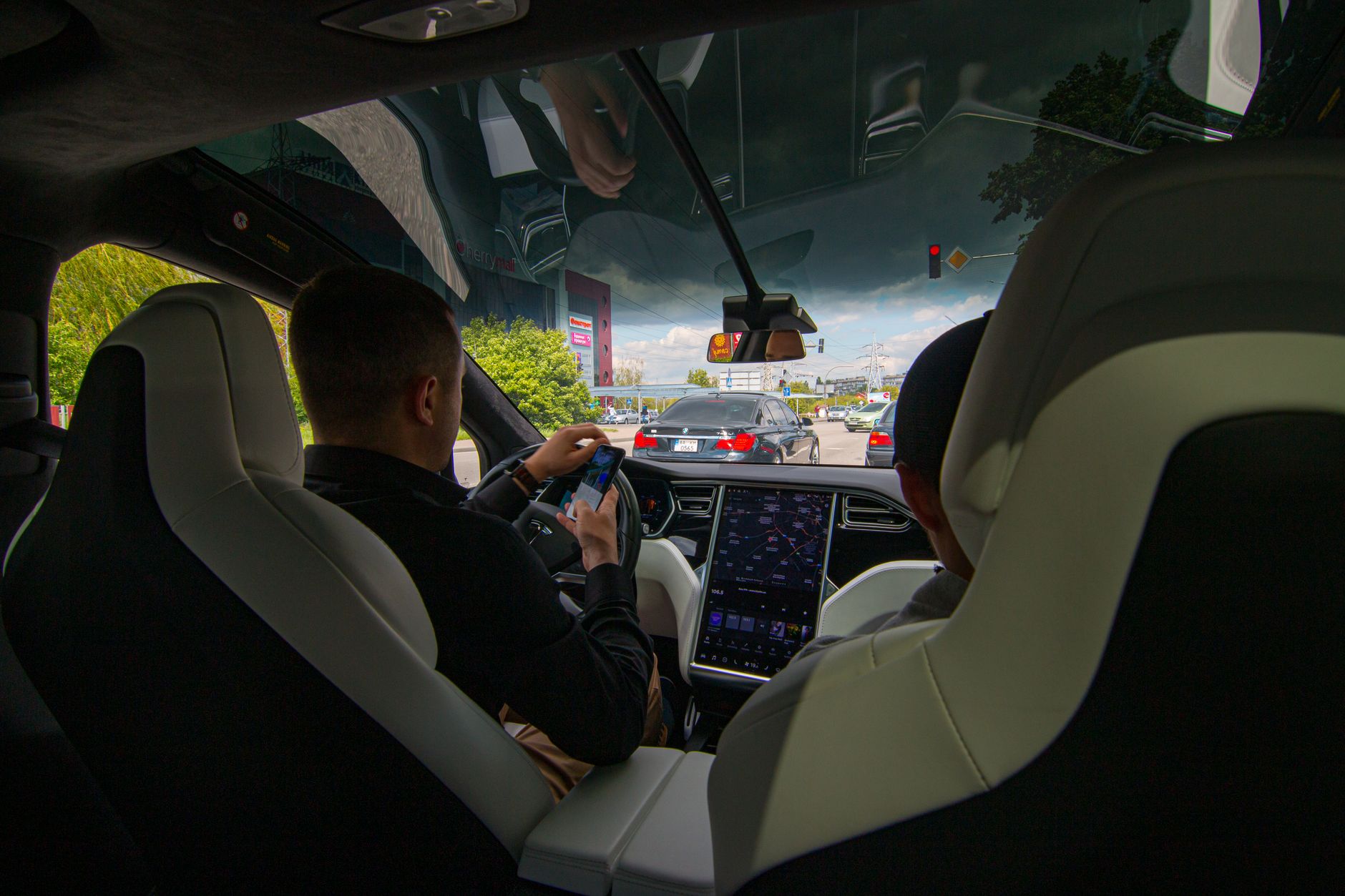
While the world is abuzz with the potential of autonomous vehicles (AVs) to revolutionize transport, a crucial question remains: can regulators keep pace with the rapid advancements in this field? According to a recent announcement by the UK government, the country is set to become the world's fastest market to commercialize innovation, thanks to a regulatory shake-up, as reported on www.gov.uk. This move is likely to have significant implications for the development and deployment of AVs, which are poised to transform the transportation landscape.
The Bigger Picture
The growth of the autonomous vehicle industry is closely tied to advancements in AI, decreased component costs, and the rise of robot-as-a-service models, as highlighted in a report by GlobeNewswire. As the industry continues to evolve, regulators will need to balance the need for innovation with concerns around safety, security, and public acceptance. This delicate balance will be crucial in determining the trajectory of the AV market, which is expected to be shaped by a complex interplay of technological, economic, and social factors.
Data In Focus
Estimates suggest that the global advanced robotics market, which includes AVs, will experience significant growth in the coming years, driven by advancements in AI and decreased component costs. A report by GlobeNewswire notes that the LTO battery market, a critical component of many AVs, is expected to reach USD 15.71 billion by 2035. Meanwhile, investors are being cautioned to approach the AI gold rush with a clear understanding of the underlying trends and technologies, as outlined in a guide by Business Insider.
Winners And Losers
As the regulatory landscape for AVs continues to evolve, there will be both winners and losers. Some of the key factors that will determine success in this space include:
- Ability to adapt to changing regulatory requirements
- Access to advanced technologies, such as AI and robotics
- Strong partnerships with key stakeholders, including governments and industry players
According to Sinocism.com, the ongoing shift in the global economic landscape, including the rise of China, will also have significant implications for the development and deployment of AVs.
"The regulatory environment for AVs is likely to remain complex and nuanced, with different countries and regions taking varying approaches to the development and deployment of these technologies. As such, industry players will need to be highly adaptable and responsive to changing regulatory requirements." — Senior analyst, autonomous vehicles sector
My Take: Autonomous Vehicles and the Regulatory Road Ahead
In my view, the regulatory landscape for autonomous vehicles (AVs) is on the cusp of a significant transformation, driven in part by the UK's recent announcement to become the world's fastest market to commercialize innovation with a regulatory shake-up, as reported on www.gov.uk. This move is likely to have a ripple effect, with other countries following suit to stay competitive. While many assume that the growth of the AV market will be hindered by regulatory hurdles, I believe that advancements in AI, decreased component costs, and the rise of Robot-as-a-Service models, as highlighted in the Global Advanced Robotics Market 2026-2046 report, will actually accelerate the adoption of AVs. Furthermore, the projected growth of the LTO battery market to USD 15.71 billion by 2035, as reported by SNS Insider, will provide a much-needed boost to the development of AVs. As we move forward, I will be watching closely to see how regulators balance innovation with safety concerns over the next 6-12 months, particularly in the wake of the UK's regulatory reforms.
Bottom Line
As the autonomous vehicle industry continues to evolve, regulators will play a critical role in shaping the trajectory of this market. With the UK government's recent announcement on regulatory reforms, it is clear that some countries are taking proactive steps to support the development and deployment of AVs. However, the path ahead will be complex, and industry players will need to navigate a nuanced and rapidly changing regulatory landscape in order to succeed. Ultimately, the winners in this space will be those that are able to balance innovation with regulatory compliance, while also addressing the broader social and economic implications of these technologies.
📰 Sources & References
- UK to become world’s fastest market to commercialise innovation with regulatory shake-up — Www.gov.uk, 2026-07-08
- The Global Advanced Robotics Market 2026-2046: Industry Growth Driven by Advancements in AI, Decreased Component Costs, and the Rise of Robot-as-a-Service Models — GlobeNewswire, 2026-07-06
- American Decline, Chinese Exposure | Sinification: June 2026 — Sinocism.com, 2026-07-05
- 10 truths every investor should know about the AI gold rush — Business Insider, 2026-07-02
- LTO Battery Market Size to Hit USD 15.71 Billion by 2035 | Research by SNS Insider — GlobeNewswire, 2026-06-30
Mohamed Ismaili
Senior Technology Analyst at Smart Flow Lab. Mohamed covers artificial intelligence, semiconductor markets, cybersecurity infrastructure, and global digital policy. He has tracked the intersection of technology and geopolitics for over a decade, with a focus on how emerging markets — particularly in Africa and the Middle East — are being reshaped by digital transformation. Based in Morocco.


0 Comments