
Smart Flow Lab | Technology Analysis
AI Does Diagnostics as Healthcare Surges
By Mohamed Ismaili • • Senior Technology Analyst, Smart Flow Lab • 5 min read
AI transforms healthcare with diagnostics and monitoring
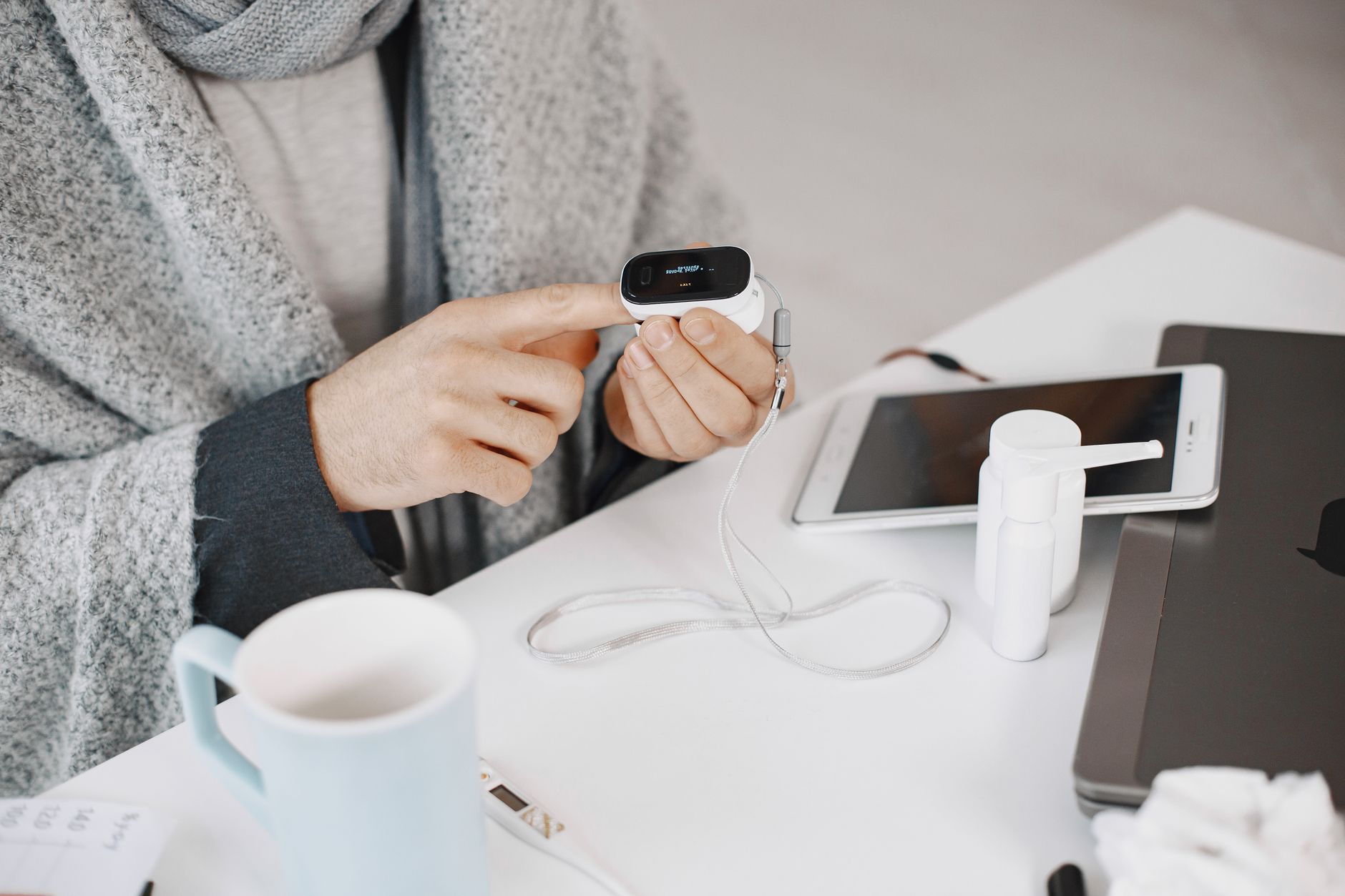
While the global neurotechnology market is projected to cross USD 50 billion by 2034, as reported by DelveInsight, a significant portion of this growth is expected to come from the development and implementation of AI-powered diagnostic tools. This raises an important question: can AI truly revolutionize the field of diagnostics, and if so, what impact will this have on the healthcare industry as a whole? According to SNS Insider, the rapid medical diagnostic kits market is expected to reach USD 67.0 billion by 2035, with strong adoption across North America, which accounted for 37% of the global market in 2025.
Background
The use of AI in diagnostics is not a new concept, but recent advancements in machine learning and data analysis have made it possible to develop highly accurate and efficient diagnostic tools. For instance, research published on Plos.org demonstrates the potential of using satellite measurements and machine learning methods to predict PM2.5 levels, which is strongly associated with adverse health effects. This technology has the potential to be applied to a wide range of medical fields, from neurology to cardiology, and could significantly improve patient outcomes.
Current Developments
The current landscape of AI-powered diagnostics is rapidly evolving, with new technologies and innovations emerging regularly. Some of the key developments in this field include:
- Advances in brain-computer interfaces (BCIs) and neurostimulation devices, which are driving growth in the global neurotechnology market, as reported by DelveInsight.
- The increasing use of machine learning algorithms in medical imaging, which is enabling doctors to diagnose diseases more accurately and quickly.
- The development of AI-powered diagnostic kits, such as those for rapid medical diagnostics, which are expected to reach a market size of USD 67.0 billion by 2035, according to SNS Insider.
Market Impact
The impact of AI-powered diagnostics on the healthcare market is expected to be significant, with the potential to improve patient outcomes, reduce costs, and increase efficiency. As GlobeNewswire reports, the AI fridge market is expected to reach $6.27 billion by 2030, driven by the rising adoption of smart home automation and increased smartphone penetration for remote control. This trend is likely to be replicated in the healthcare sector, where AI-powered diagnostics could become a key driver of growth and innovation.
The integration of AI in diagnostics will revolutionize the way healthcare is delivered, enabling doctors to make more accurate diagnoses and develop personalized treatment plans. However, it also raises important questions about data privacy, security, and the potential for bias in AI algorithms — Senior analyst, Healthcare Technology
My Take: The Future of AI Diagnostics
In my view, the surge in AI diagnostics and remote patient monitoring is not just a fleeting trend, but a seismic shift in the healthcare landscape. With the global neurotechnology market projected to cross $50 billion by 2034, as reported by DelveInsight, it's clear that innovative solutions for diagnosing and treating neurological disorders are in high demand. However, I challenge the mainstream assumption that AI adoption in healthcare will be limited to high-income countries. The growth of the AI fridge market, expected to reach $6.27 billion by 2030, suggests that AI-driven technologies can be applied to various aspects of daily life, including healthcare, in a cost-effective manner. Furthermore, the development of predictive models for air quality, such as the one for PM2.5 over the greater Athens metropolitan area, demonstrates the potential for machine learning to improve public health outcomes. As the rapid medical diagnostic kits market is expected to hit $67.0 billion by 2035, I believe that the next 6-12 months will be crucial in watching how AI diagnostics and remote patient monitoring converge to create more accessible and affordable healthcare solutions for underserved populations.
Outlook
As the healthcare industry continues to evolve, it is likely that AI-powered diagnostics will play an increasingly important role in shaping the future of medical care. With the potential to improve patient outcomes, reduce costs, and increase efficiency, AI-powered diagnostics is an area that is worth watching closely. As DelveInsight notes, the global neurotechnology market is projected to cross USD 50 billion by 2034, driven by increasing demand for innovative solutions to diagnose, monitor, and treat neurological disorders. This growth is likely to be replicated in other areas of healthcare, as AI-powered diagnostics becomes more widespread and accepted.
📰 Sources & References
- AI Fridge Market to Reach $6.27 Billion by 2030: Key Trends and Growth Drivers — GlobeNewswire, 2026-07-10
- Global Neurotechnology Market is Projected to Cross USD 50 Billion by 2034 | DelveInsight — PR Newswire UK, 2026-07-06
- Global Neurotechnology Market is Projected to Cross USD 50 Billion by 2034 | DelveInsight — PRNewswire, 2026-07-06
- Development of a predictive model for PM2.5 over the greater Athens metropolitan area, Greece, at a 1 km by 1 km grid using satellite measurements and machine learning methods — Plos.org, 2026-07-06
- Rapid Medical Diagnostic Kits Market Size to Hit USD 67.0 Billion by 2035 | SNS Insider — GlobeNewswire, 2026-07-06
Mohamed Ismaili
Senior Technology Analyst at Smart Flow Lab. Mohamed covers artificial intelligence, semiconductor markets, cybersecurity infrastructure, and global digital policy. He has tracked the intersection of technology and geopolitics for over a decade, with a focus on how emerging markets — particularly in Africa and the Middle East — are being reshaped by digital transformation. Based in Morocco.


0 Comments