
Smart Flow Lab | Technology Analysis
Hydrogen Power Reshaping Energy
By Mohamed Ismaili • • Senior Technology Analyst, Smart Flow Lab • 5 min read
Next-gen battery storage and hydrogen power surge
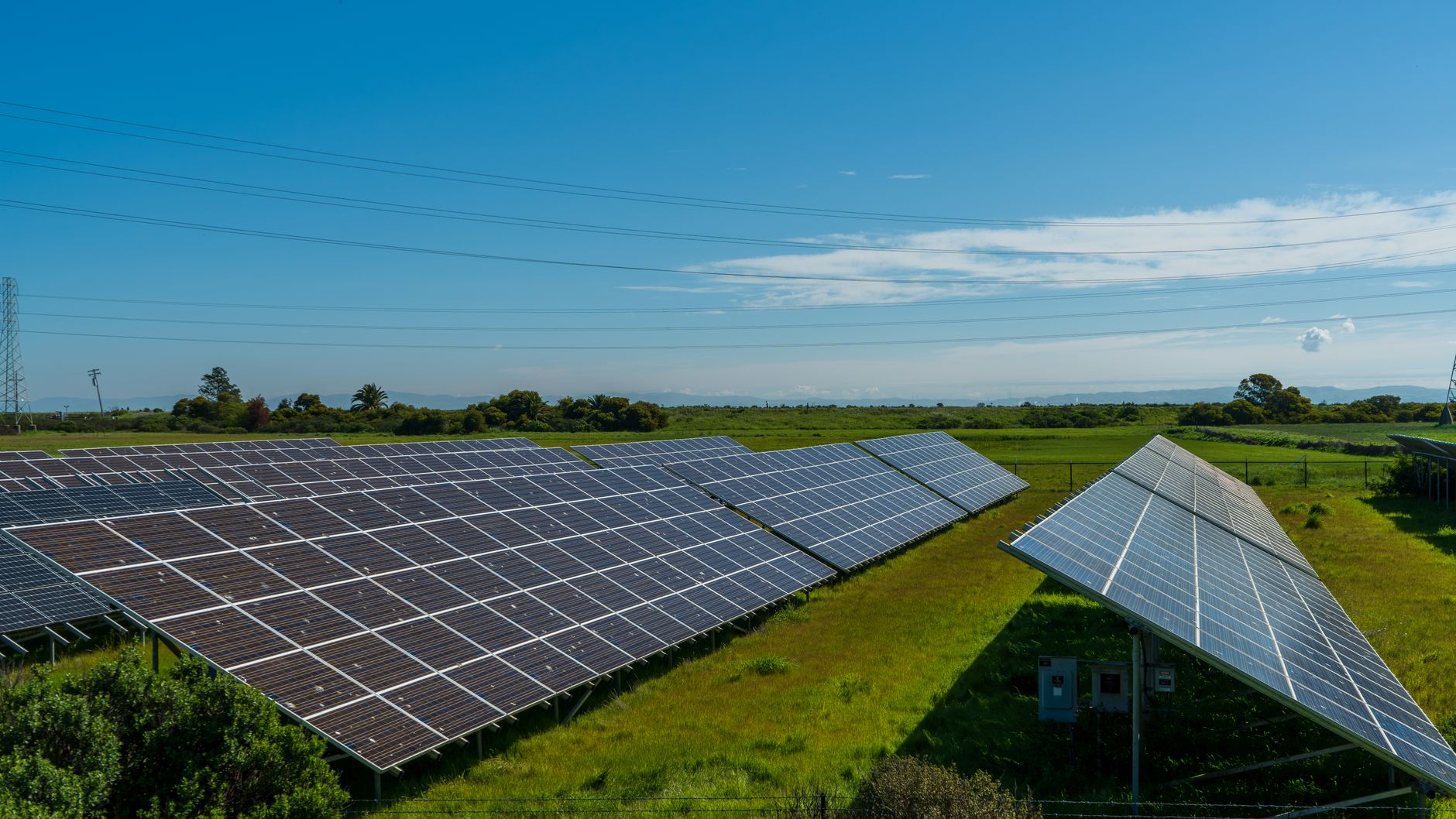
As the world grapples with the challenges of climate change and energy security, a surprising fact has emerged: India is on the cusp of crossing 300 GW of non-fossil fuel power capacity, with current capacity at 297 GW, accounting for over half of total installed power, according to The Times of India. This milestone raises an important question: can hydrogen power and next-generation battery storage technologies propel the nation's sustainable energy ambitions to even greater heights? With the Indian government targeting 500 GW of non-fossil capacity by 2030, the stakes are high, and the role of hydrogen power in achieving this goal is being closely watched.
Why It Matters Now
The significance of India's renewable energy progress cannot be overstated, with the PM Surya Ghar scheme set to exceed 50 lakh households soon, as reported by BusinessLine. This growth is not limited to solar power alone; hydrogen power is also gaining traction, with India's first hydrogen train marking a significant milestone in the country's green hydrogen mission. However, as Livemint notes, high costs, weak demand, and infrastructure gaps need to be addressed for the National Green Hydrogen Mission to scale beyond pilot projects.
Technical Breakdown
From a technical standpoint, hydrogen power and next-generation battery storage technologies offer distinct advantages. Hydrogen fuel cells, for instance, can provide a reliable and efficient source of power, particularly for heavy-duty applications. Meanwhile, advances in battery storage technology have improved the economics and feasibility of renewable energy projects. Some key aspects of these technologies include:
- Improved energy density and efficiency
- Enhanced durability and lifespan
- Increased scalability and flexibility
- Reduced costs and improved economics
Industry Reaction
Industry observers note that the growth of hydrogen power and next-generation battery storage technologies is not without its challenges. According to BusinessLine, there is a need to train engineers to work in the fields of energy, among other areas, to support the development of these technologies. As the Indian government continues to push for greater adoption of renewable energy, the industry is likely to respond with increased investment and innovation.
"Despite the hype surrounding hydrogen power, it's essential to acknowledge the limitations and challenges associated with its adoption. Infrastructure gaps, high costs, and weak demand must be addressed before we can expect widespread adoption." — Senior analyst, energy sector
My Take: Hydrogen Power's Uncertain Rise
In my view, the recent enthusiasm for hydrogen power as a sustainable energy solution is overstated, and I believe the technology still has significant hurdles to overcome before it can make a meaningful impact. While India's ambitious target of reaching 500 GW of non-fossil fuel power capacity by 2030 is commendable, with the current capacity already at 297 GW, the focus on hydrogen power may be misplaced. For instance, a recent study on Prague's trolleybus data shows that hard bus routes don't necessarily need hydrogen, and instead, a well-designed battery system can be more efficient. Furthermore, the high costs and infrastructure gaps associated with green hydrogen production, as highlighted in India's National Green Hydrogen Mission, need to be addressed. Given these challenges, I think it's unlikely that hydrogen power will become a dominant force in the energy market in the near future. As we move forward, I'll be watching to see how the Indian government's efforts to promote green hydrogen, such as the PM Surya Ghar scheme, which is set to exceed 50 lakh households soon, will impact the adoption of this technology in the next 6-12 months.
What To Watch
As India continues to push the boundaries of sustainable energy, several key developments will be worth watching. The progress of the National Green Hydrogen Mission, the growth of the PM Surya Ghar scheme, and the evolution of next-generation battery storage technologies will all play a crucial role in shaping the nation's energy landscape. Additionally, the ability of the Indian government to address the challenges associated with hydrogen power adoption will be essential to achieving its ambitious renewable energy targets. With the stakes high and the potential for innovation vast, the future of hydrogen power and sustainable energy in India is likely to be shaped by a complex interplay of technological, economic, and policy factors.
📰 Sources & References
- Clean power capacity all set to cross 300 GW: Pralhad Joshi — The Times of India, 2026-07-23
- PM Surya Ghar to surpass 50 lakh households soon: MNRE — BusinessLine, 2026-07-23
- Producing engineers for a changing world — BusinessLine, 2026-07-23
- Prague’s Trolleybus Data Show Why Hard Bus Routes Don’t Need Hydrogen — CleanTechnica, 2026-07-23
- Mint Explainer | India has its first hydrogen train. Is its green hydrogen mission on track? — Livemint, 2026-07-23
Mohamed Ismaili
Senior Technology Analyst at Smart Flow Lab. Mohamed covers artificial intelligence, semiconductor markets, cybersecurity infrastructure, and global digital policy. He has tracked the intersection of technology and geopolitics for over a decade, with a focus on how emerging markets — particularly in Africa and the Middle East — are being reshaped by digital transformation. Based in Morocco.


0 Comments