
Smart Flow Lab | Technology Analysis
Regulators Face AVs: Crisis Ahead
By Mohamed Ismaili • • Senior Technology Analyst, Smart Flow Lab • 5 min read
Governments scramble to create rules for self-driving cars
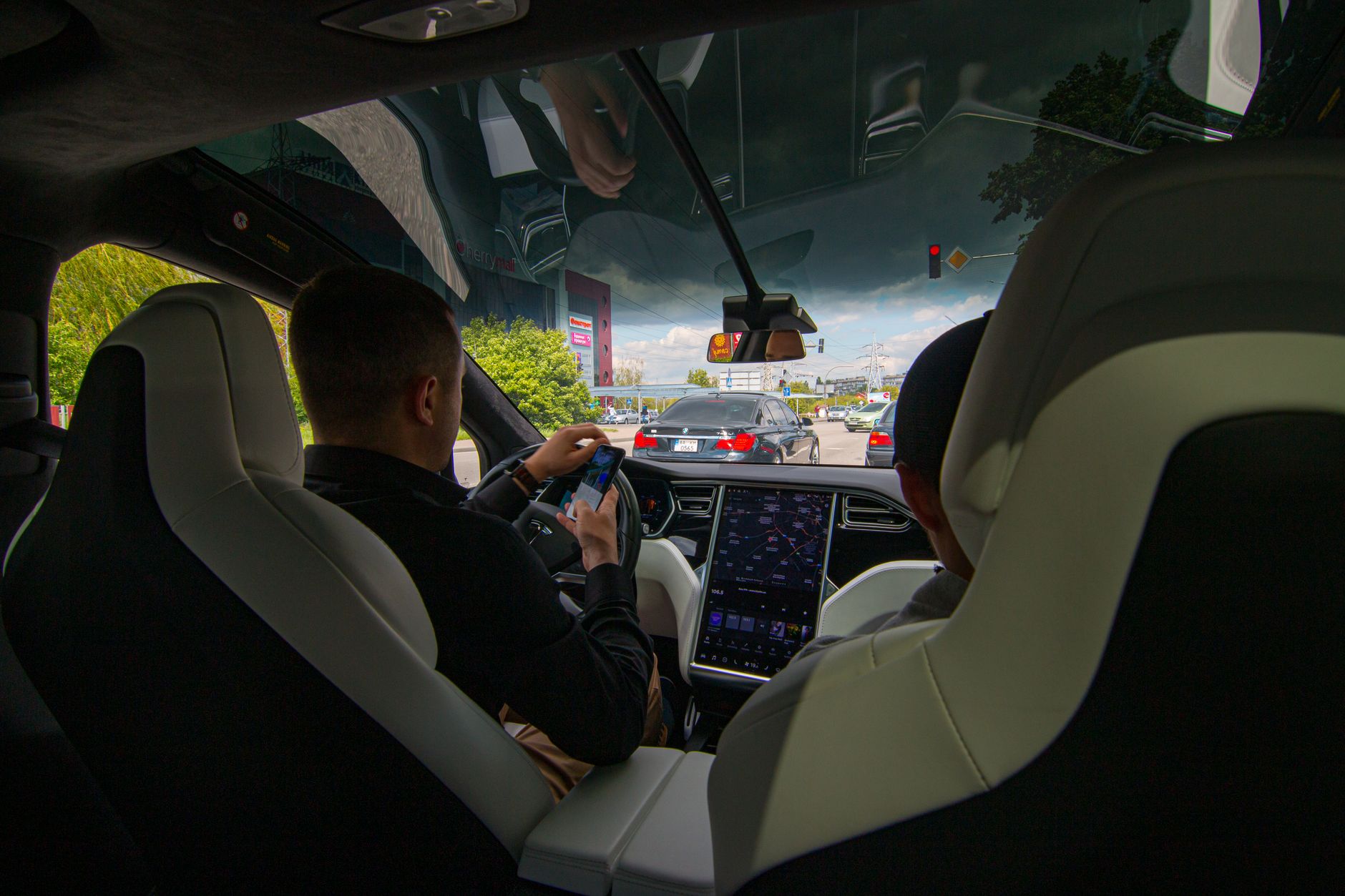
As the world hurtles towards a future dominated by autonomous vehicles (AVs), a pressing question arises: are regulators equipped to handle the complexities of this emerging technology? According to a recent report by GlobeNewswire, the automotive interior market is expected to experience significant growth by 2033, with Asia-Pacific leading the charge. However, this growth also raises concerns about the regulatory framework needed to support the widespread adoption of AVs.
The Context
The development of AVs has been gaining momentum, with companies like Arbe Robotics, a global leader in ultra-high-resolution radar solutions, making significant strides. As reported by PRNewswire, Arbe recently announced its second-quarter 2026 financial results, highlighting its continued growth and expansion into new markets. However, as AVs become increasingly prevalent, regulators must navigate a complex web of safety, security, and liability concerns.
What Changed
Several recent developments have contributed to the growing complexity of the regulatory landscape for AVs. Some key changes include:
- Advances in sensor technology, such as the 4D imaging radar developed by Arbe, which enable more accurate and reliable navigation systems
- Increased investment in AV research and development, as evidenced by CSG's recent financial results, which highlight the company's position in advanced technologies
- Growing partnerships between AV companies and other industries, such as the collaboration between Arbe's Tier-1 Sensrad and VirtuRail to enhance tunnel safety with 4D imaging radar, as reported by PRNewswire
Who Is Affected
The regulatory challenges posed by AVs affect a wide range of stakeholders, from manufacturers and suppliers to consumers and governments. As Arbe appoints a new Chief Financial Officer, as reported by PRNewswire, it is clear that companies are preparing for the financial and operational implications of AV adoption. However, the impact on the broader industry and society as a whole remains to be seen.
"The regulatory landscape for AVs is a complex and evolving issue, with many stakeholders vying for influence. As the industry continues to grow and mature, it is essential that regulators strike a balance between promoting innovation and ensuring public safety." — Senior analyst, automotive sector
My Take: Autonomous Vehicles' Regulatory Roadblocks
In my view, the regulatory landscape for autonomous vehicles (AVs) is on the cusp of significant upheaval, and recent news suggests that the industry's growth may not be as smooth as many assume. For instance, Arbe Robotics' second-quarter 2026 financial results show a strong focus on ultra-high-resolution radar solutions, which could become a crucial component in AVs. However, I challenge the mainstream assumption that AVs will become ubiquitous in the near future, as regulatory hurdles and safety concerns will likely slow down their adoption. The automotive interior market forecast predicts strong growth in passenger cars, but this growth may not necessarily translate to widespread AV adoption. As the industry continues to evolve, I believe that the next 6-12 months will be crucial in determining the trajectory of AVs, and investors should keep a close eye on regulatory developments and technological advancements, particularly in the areas of radar solutions and tunnel safety, as seen in Arbe's collaboration with VirtuRail, to gauge the true potential of this emerging market.
Key Risks
As regulators navigate the challenges of AV adoption, several key risks must be addressed. These include the potential for accidents or cybersecurity breaches, the need for standardized safety protocols, and the impact of AVs on employment and urban planning. By understanding these risks and working to mitigate them, regulators can help ensure a smooth transition to an AV-dominated future, as outlined in the Automotive Interior Market Forecast Report. Estimates range from significant job displacement to increased mobility for the elderly and disabled, highlighting the need for a nuanced and multifaceted approach to AV regulation.
📰 Sources & References
- CSG H1 2026 Results: Continued Strong Growth Across Core Markets; Position Developed in Advanced Technologies; Leadership Team Strengthened for Global Scale — GlobeNewswire, 2026-08-07
- Arbe Appoints Assaf Pereg, CPA, as Chief Financial Officer — PRNewswire, 2026-08-06
- Arbe Announces Second Quarter 2026 Financial Results — PRNewswire, 2026-08-06
- Automotive Interior Market Forecast Report: Outlook to 2033 — GlobeNewswire, 2026-08-04
- Arbe Tier-1 Sensrad Announces Collaboration with VirtuRail to Strengthen Tunnel Safety with 4D Imaging Radar — PRNewswire, 2026-07-31
Mohamed Ismaili
Senior Technology Analyst at Smart Flow Lab. Mohamed covers artificial intelligence, semiconductor markets, cybersecurity infrastructure, and global digital policy. He has tracked the intersection of technology and geopolitics for over a decade, with a focus on how emerging markets — particularly in Africa and the Middle East — are being reshaped by digital transformation. Based in Morocco.


0 Comments