
Smart Flow Lab | Technology Analysis
RSA Faces Quantum: Encryption Crisis
By Mohamed Ismaili • • Senior Technology Analyst, Smart Flow Lab • 5 min read
Quantum computing threatens modern encryption, prompting a crisis
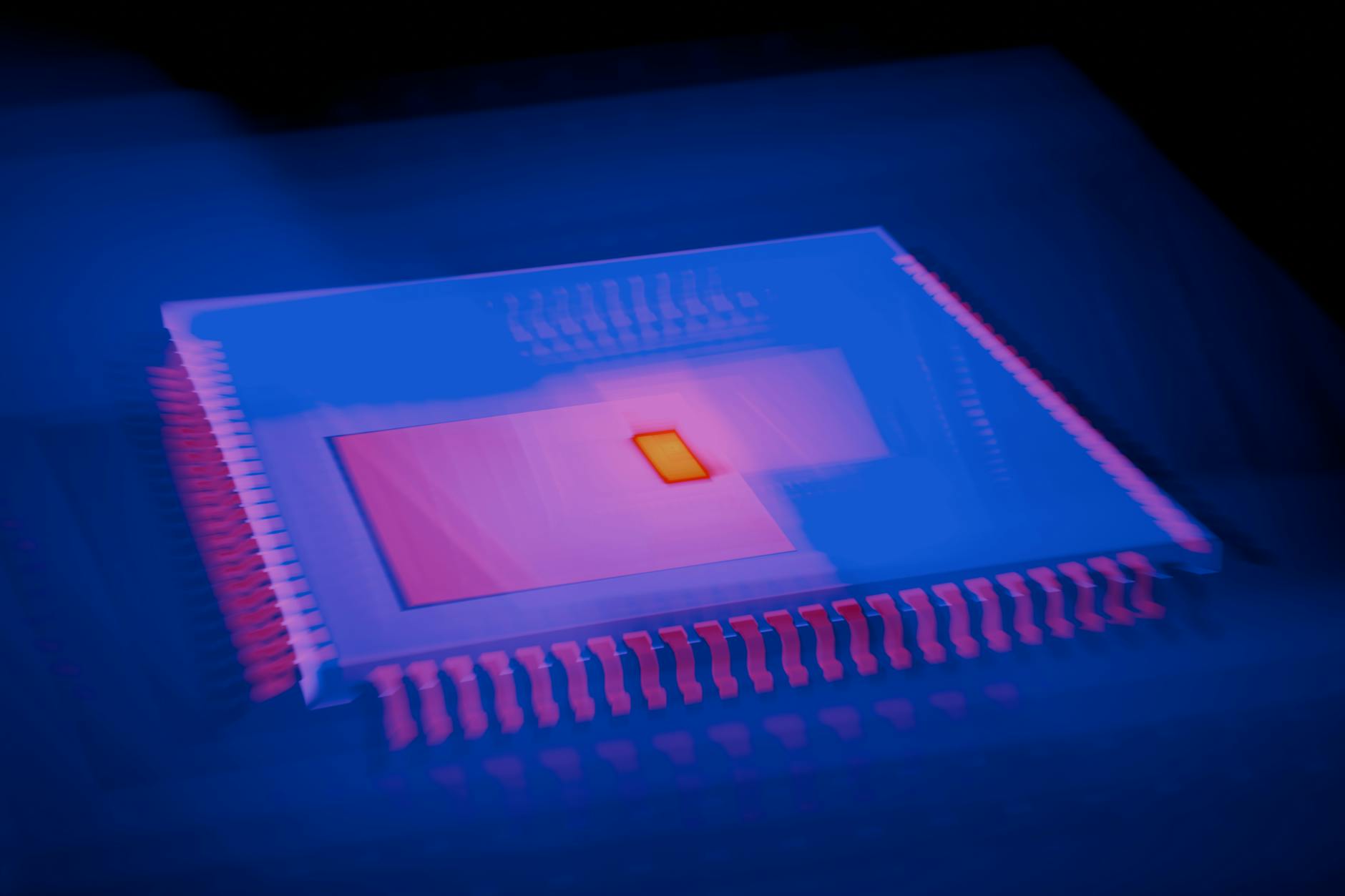
While the world is still grappling with the implications of artificial intelligence, a more profound technological shift is underway, one that threatens to upend the very foundation of modern encryption standards: the advent of quantum computing. According to TechRadar, quantum is already compromising our data, even if the consequences are not yet visible. This raises a critical question: are we prepared to face the encryption crisis that quantum computing poses?
Background
The RSA encryption algorithm, widely used to secure online transactions and communication, is particularly vulnerable to quantum computing's immense processing power. As Crypto Briefing notes, Google's recent quantum calibration breakthrough has significant implications for the future of encryption security, bringing the need for post-quantum cryptography into sharper focus. This development underscores the urgent need for a transition to quantum-resistant encryption standards.
Current Developments
Recent advancements in quantum computing and related technologies have been rapid. For instance, Naturalnews.com reports that Chinese researchers have developed an optical artificial intelligence network that performs inference up to 100 times faster than traditional electronic systems. Moreover, the acquisition of QPerfect by BTQ Technologies, as announced in PRNewswire, highlights the growing investment in quantum technologies. Key developments include:
- Quantum calibration breakthroughs by Google, accelerating the timeline for post-quantum cryptography.
- Advancements in optical AI networks, promising significant speed improvements over traditional systems.
- Strategic acquisitions in the quantum technology sector, such as BTQ Technologies' acquisition of QPerfect.
Market Impact
The impact of quantum computing on encryption standards will be profound, affecting not just data security but also the underlying infrastructure of the internet and digital commerce. As TechRadar suggests, the next computing revolution will be hybrid, human, and slightly unpredictable, indicating a complex future for encryption and cybersecurity. The transition to post-quantum cryptography will require significant investment and coordination across industries and governments.
"The quantum threat to RSA encryption is not just about the technology itself, but about the timeline and the preparedness of the industry to adapt. The sooner we start transitioning to quantum-resistant standards, the better equipped we will be to face the challenges ahead." — Senior analyst, cybersecurity sector
My Take: Quantum's Encryption Crisis Looms
I firmly believe that the recent advancements in quantum computing, such as Google's new quantum calibration breakthrough, will significantly accelerate the need for post-quantum cryptography, rendering current encryption standards obsolete. As reported by Crypto Briefing, this breakthrough brings the post-quantum crypto timeline into sharper focus, and in my view, it challenges the mainstream assumption that we have ample time to prepare for the transition. The fact that TechRadar warns that quantum is already compromising our data, albeit invisibly, underscores the urgency of the situation. Furthermore, the development of optical AI networks, such as the one by Chinese researchers, which can perform inference up to 100 times faster than traditional electronic systems, will only exacerbate the encryption crisis. As we move forward, I will be watching closely how companies like BTQ Technologies, which recently acquired QPerfect, will contribute to the development of trusted quantum technologies, and I predict that in the next 6-12 months, we will see a significant increase in investments in post-quantum cryptography research and development.
Outlook
The future of encryption in the quantum era will be defined by the ability of industries and governments to collaborate on the development and implementation of post-quantum cryptography standards. Estimates range from a few years to a couple of decades for the full impact of quantum computing on current encryption methods to become apparent. However, one thing is clear: the time to act is now. By investing in quantum-resistant technologies and strategies, we can ensure a secure transition into an era where quantum computing is not a threat, but a powerful tool for advancing human knowledge and innovation.
📰 Sources & References
- Why the next computing revolution will be hybrid, human and slightly unpredictable — TechRadar, 2026-07-20
- Chinese Researchers Develop Optical AI Network Claiming 100x Faster Inference with Fewer Chips — Naturalnews.com, 2026-07-16
- Google’s new quantum calibration breakthrough brings post-quantum crypto timeline into sharper focus — Crypto Briefing, 2026-07-10
- BTQ Technologies Completes Acquisition of QPerfect, Advancing Its Mission of Building Trusted Quantum Technologies With World-Class Emulation, Digital Twin, and Control Capabilities — PRNewswire, 2026-07-08
- Quantum is already compromising your data, you just can’t see it yet — TechRadar, 2026-07-07
Mohamed Ismaili
Senior Technology Analyst at Smart Flow Lab. Mohamed covers artificial intelligence, semiconductor markets, cybersecurity infrastructure, and global digital policy. He has tracked the intersection of technology and geopolitics for over a decade, with a focus on how emerging markets — particularly in Africa and the Middle East — are being reshaped by digital transformation. Based in Morocco.


0 Comments