
Smart Flow Lab | Technology Analysis
Semiconductors Face Crisis as Geopolitics Reshapes Supply
By Mohamed Ismaili • • Senior Technology Analyst, Smart Flow Lab • 5 min read
Global tech industry feels impact of shifting semiconductor supply chains
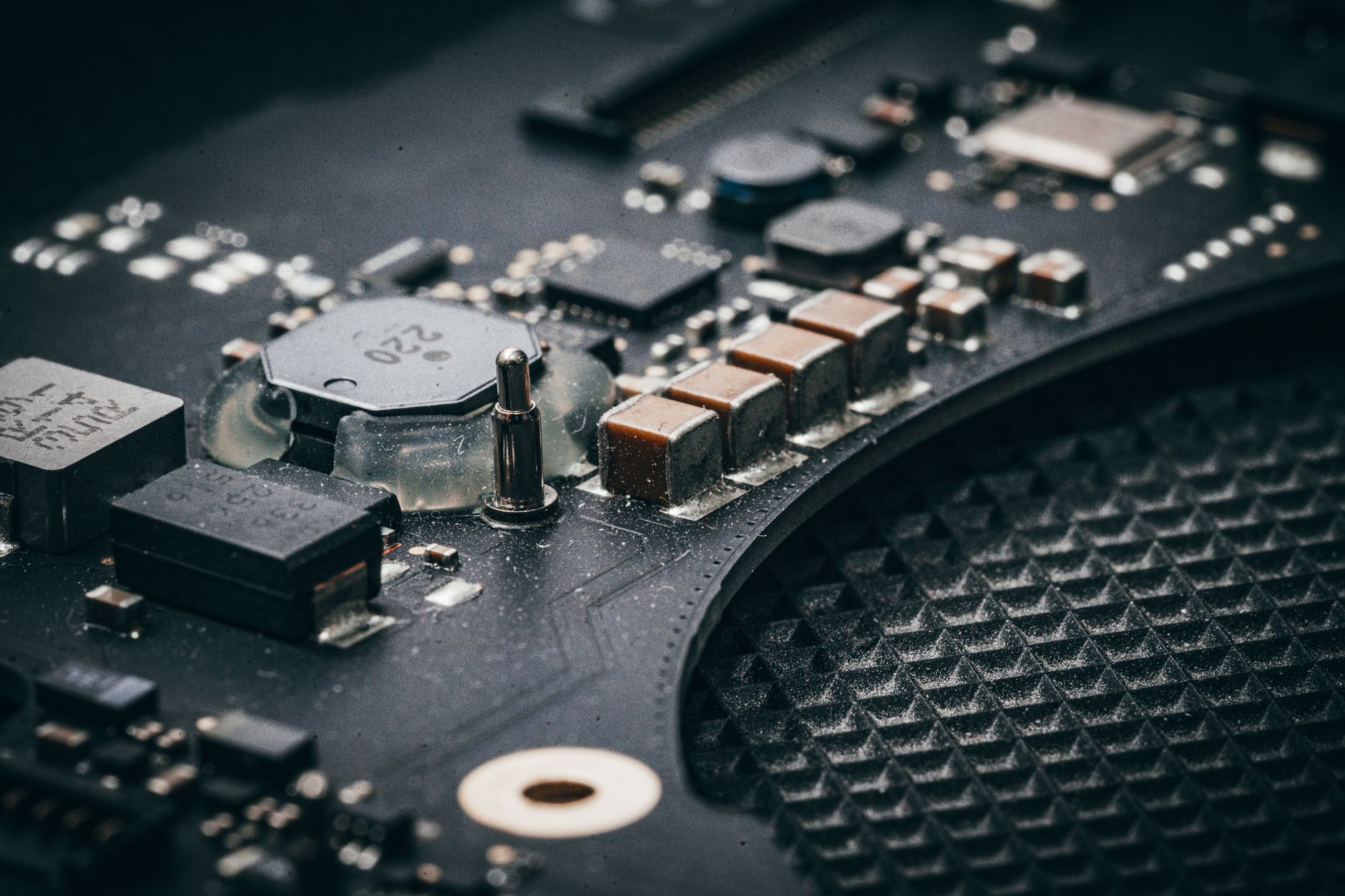
As the global semiconductor supply chain continues to face unprecedented challenges, a critical question arises: can the industry withstand the mounting pressure of geopolitical tensions and shifting market demands? According to a recent commentary by Chris Bryant for Bloomberg Opinion, published on CNA, chip scarcity is forcing up memory prices, making companies like Micron and SK Hynix astonishingly profitable, which is a guarantee of trouble. This perfect storm of supply chain disruptions, rising prices, and intense market competition has significant implications for the future of the tech industry.
Why It Matters Now
The current semiconductor supply chain crisis is not just a matter of industry instability; it has far-reaching consequences for various sectors, including autonomous vehicles and artificial intelligence. As reported by GlobeNewswire, the autonomous vehicle edge compute rig market is projected to grow from $3.35 billion in 2025 to $9.14 billion by 2030, driven by increasing demand for advanced driver-assistance systems and electric vehicle adoption. Similarly, the AI in spintronics market is expected to reach $7.11 billion by 2030, with a CAGR of 30.9%, driven by innovations in magnetic materials and neuromorphic computing. These growth projections underscore the critical role of semiconductors in enabling the development of emerging technologies.
Technical Breakdown
The technical complexities of the semiconductor industry are multifaceted, involving various factors that contribute to the current supply chain crisis. Some key aspects include:
- Chip design and manufacturing: The process of designing and manufacturing semiconductors is highly specialized and requires significant investment in research and development.
- Material sourcing: The production of semiconductors relies on the availability of rare and exotic materials, such as silicon and rare earth metals.
- Geopolitical tensions: The concentration of semiconductor manufacturing in certain regions, such as Asia, has created concerns about supply chain resilience and geopolitical stability.
As noted by OilPrice.com, the coming power war over resources such as semiconductors will define the AI era, with every great economic era being defined by a fight over a single resource. This highlights the critical importance of semiconductors in enabling the development of emerging technologies.
Industry Reaction
Industry observers note that the semiconductor supply chain crisis has sparked a range of reactions, from concerns about supply chain resilience to optimism about the potential for innovation and growth. For example, Ken Griffin, the founder of Citadel, has recently expressed optimism about the potential of AI, predicting a golden age in the next five months. This shift in sentiment underscores the dynamic and rapidly evolving nature of the tech industry.
"The semiconductor industry is at a crossroads, with the current supply chain crisis presenting both challenges and opportunities for growth and innovation. While the short-term outlook may be uncertain, the long-term prospects for the industry are promising, driven by emerging technologies such as AI and autonomous vehicles." — Senior analyst, tech sector
My Take: Semiconductor Shifts and the AI Era
In my view, the recent shifts in the global semiconductor supply chain are not just a response to geopolitical pressures, but also a harbinger of a more profound transformation in the tech industry. The astonishing profits of companies like Micron and SK Hynix, as reported by Channel News Asia, are a clear indication that the chip scarcity is driving up memory prices. However, I challenge the mainstream assumption that this trend is solely driven by supply chain disruptions. The projected growth of the autonomous vehicle edge compute rig market from $3.35 billion in 2025 to $9.14 billion by 2030, as reported by GlobeNewswire, suggests that the demand for advanced technologies like AI and 5G is a significant driver of this trend. As we move forward, I believe that the next 6-12 months will be crucial in determining how the semiconductor industry adapts to these shifts, and whether the predicted $7.11 billion AI spintronics market by 2030 will become a reality, thereby redefining the power dynamics of the AI era.
What To Watch
As the semiconductor industry navigates the current supply chain crisis, several key factors will be worth watching in the coming months. These include the development of new technologies, such as AI and autonomous vehicles, which will drive demand for semiconductors and shape the future of the industry. Additionally, the ongoing geopolitical tensions and trade disputes will continue to impact the supply chain, making it essential for industry leaders to prioritize resilience and adaptability. By monitoring these factors and staying ahead of the curve, companies can position themselves for success in a rapidly evolving landscape.
📰 Sources & References
- Commentary: Micron’s massive profits are a guarantee of trouble — CNA, 2026-07-11
- Autonomous Vehicle Edge Compute Rig Market to Skyrocket: Projected Growth from $3.35 Billion in 2025 to $9.14 Billion by 2030 — GlobeNewswire, 2026-07-10
- AI in Spintronics Market Size to Skyrocket: Predicted $7.11 Billion by 2030 with a CAGR of 30.9% — GlobeNewswire, 2026-07-10
- The Coming Power War That Will Define the AI Era — OilPrice.com, 2026-07-10
- Citadel’s Ken Griffin went from calling AI ‘garbage’ to predicting a golden age in five months — Crypto Briefing, 2026-07-09
Mohamed Ismaili
Senior Technology Analyst at Smart Flow Lab. Mohamed covers artificial intelligence, semiconductor markets, cybersecurity infrastructure, and global digital policy. He has tracked the intersection of technology and geopolitics for over a decade, with a focus on how emerging markets — particularly in Africa and the Middle East — are being reshaped by digital transformation. Based in Morocco.


0 Comments