
Smart Flow Lab | Technology Analysis
Semiconductors Reshaping Global Tech
By Mohamed Ismaili • • Senior Technology Analyst, Smart Flow Lab • 5 min read
Global semiconductor supply chain shifts impact tech industry
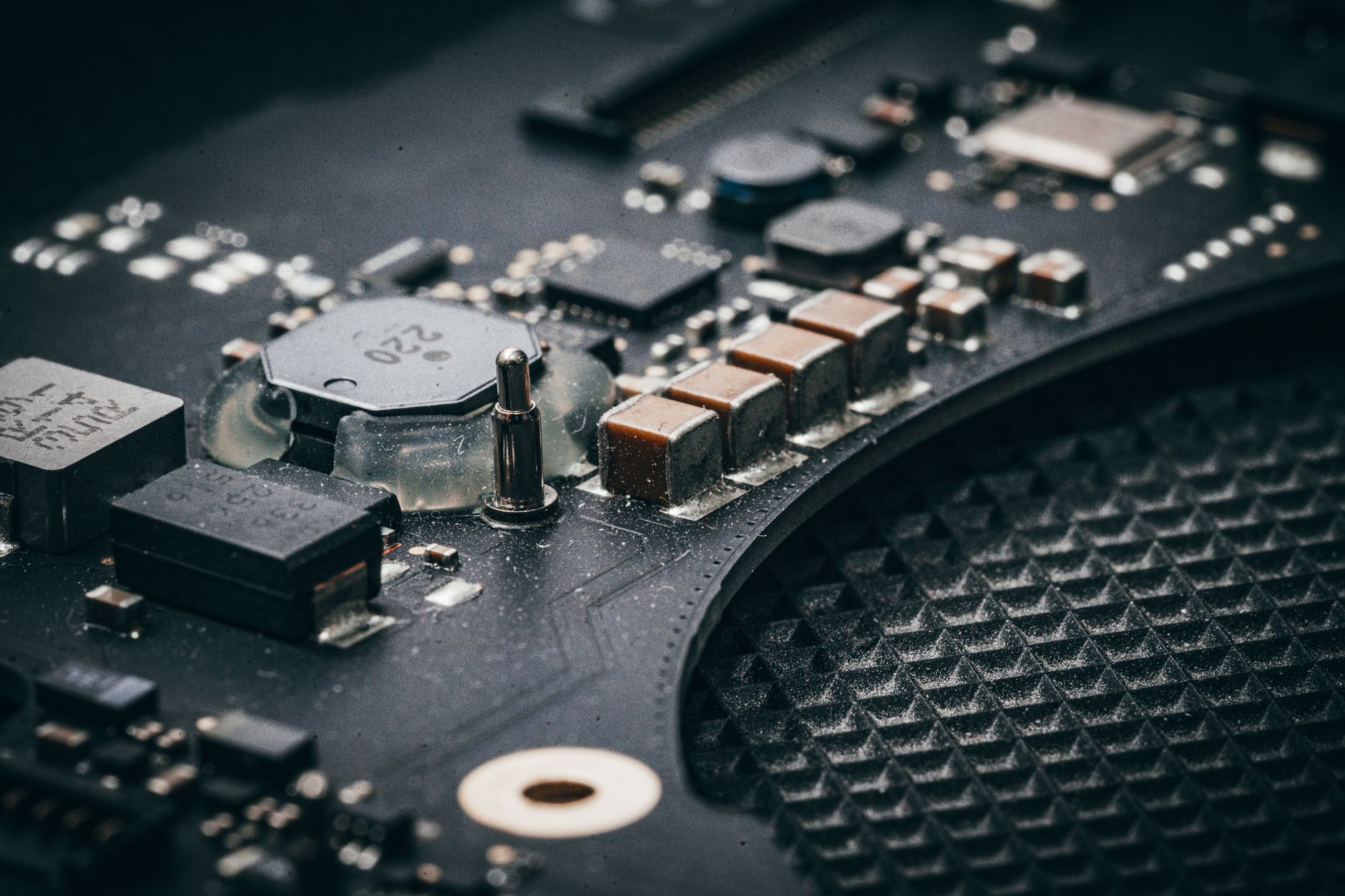
As the world grapples with the implications of artificial intelligence, a striking fact has emerged: the global semiconductor supply chain is undergoing a seismic shift, with estimates suggesting that the industry will witness a significant transformation in the next decade. According to recent reports, the G7 countries have set a 60% import limit on critical minerals by 2030, a move that could potentially reshape global supply chains and markets, as noted by Crypto Briefing. This development raises a crucial question: how will the global tech landscape be impacted by these shifts in the semiconductor supply chain?
The Bigger Picture
The semiconductor industry is a critical component of the global tech ecosystem, with its products powering everything from smartphones to data centers. As Sebastian Mallaby noted in his recent interview on The Tim Ferriss Show, the race to superintelligence is driving significant investments in AI infrastructure, which in turn is fueling demand for advanced semiconductors. This trend is evident in the recent surge in Singapore's non-oil exports, which was driven by a concentrated surge in hyperscaler capital spending, as reported by CNA.
Data In Focus
A closer examination of the data reveals that the semiconductor industry is experiencing a period of rapid growth, driven by the increasing demand for AI-powered technologies. As noted by Fortune, the next-generation 'Tiger Cubs' are betting big on AI, with some investors warning of an impending AI bubble. Meanwhile, researchers at Columbia University have drawn parallels between the AI revolution and the green transition, highlighting the significant opportunities and challenges presented by these twin trends.
Winners And Losers
The shifting landscape of the semiconductor industry will undoubtedly create both winners and losers. Some of the key trends and players to watch include:
- Increased investment in AI infrastructure, driven by hyperscalers and cloud providers
- Growing demand for advanced semiconductors, particularly in the areas of AI and machine learning
- Shifts in global supply chains, driven by the G7's import limit on critical minerals and other geopolitical factors
The semiconductor industry is at a critical inflection point, with the intersection of AI, geopolitics, and supply chain shifts creating a complex and dynamic landscape. As investors and industry observers, we must be vigilant in monitoring these trends and adapting to the changing landscape. — Senior analyst, semiconductor sector
My Take: Semiconductors and the Shifting Global Tech Landscape
In my view, the recent shifts in the global semiconductor supply chain are not just a minor adjustment, but a significant paradigm shift that will have far-reaching implications for the tech industry. The G7's decision to set a 60% import limit on critical minerals by 2030, as reported by Crypto Briefing, is a clear indication that countries are looking to reduce their dependence on dominant suppliers and promote domestic production. This trend is further reinforced by the surge in electronics exports in Singapore, which CNA attributes to a concentrated surge in hyperscaler capital spending. However, I challenge the mainstream assumption that the AI buildout will necessarily lead to a bubble, as suggested by Fortune. Instead, I believe that the AI revolution will mirror the green transition, presenting significant opportunities and challenges, as noted by Columbia.edu. As we look to the next 6-12 months, I will be watching closely to see how the global semiconductor supply chain continues to evolve and how countries adapt to these changes, particularly in light of the insights shared by Sebastian Mallaby on the race to superintelligence.
Bottom Line
In conclusion, the global semiconductor supply chain is undergoing a significant transformation, driven by the intersection of AI, geopolitics, and supply chain shifts. As the industry continues to evolve, it is crucial for investors, policymakers, and industry observers to stay informed and adapt to the changing landscape. By doing so, we can navigate the complexities of this critical sector and unlock the full potential of the technologies that will shape our future.
📰 Sources & References
- The Tim Ferriss Show Transcripts: Sebastian Mallaby, Biographer of Demis Hassabis — Lessons from 100+ AI Insiders on The Race to Superintelligence, The Religion of AI, and Spotting Breakthroughs Early (#870) — Tim.blog, 2026-06-19
- The next-generation ‘Tiger Cubs’ who see the AI bubble risk—and know exactly where the next trade is — Fortune, 2026-06-18
- G7 countries set 60% import limit on critical minerals by 2030 — Crypto Briefing, 2026-06-17
- 'Unprecedented' AI buildout drove Singapore's sharpest non-oil exports surge in over two decades: Analysts — CNA, 2026-06-17
- The AI Revolution Mirrors the Green Transition — Columbia.edu, 2026-06-16
Mohamed Ismaili
Senior Technology Analyst at Smart Flow Lab. Mohamed covers artificial intelligence, semiconductor markets, cybersecurity infrastructure, and global digital policy. He has tracked the intersection of technology and geopolitics for over a decade, with a focus on how emerging markets — particularly in Africa and the Middle East — are being reshaped by digital transformation. Based in Morocco.

0 Comments