
Smart Flow Lab | Technology Analysis
AI Does Diagnostics as Healthcare
By Mohamed Ismaili • • Senior Technology Analyst, Smart Flow Lab • 5 min read
AI transforms healthcare with diagnostics and monitoring
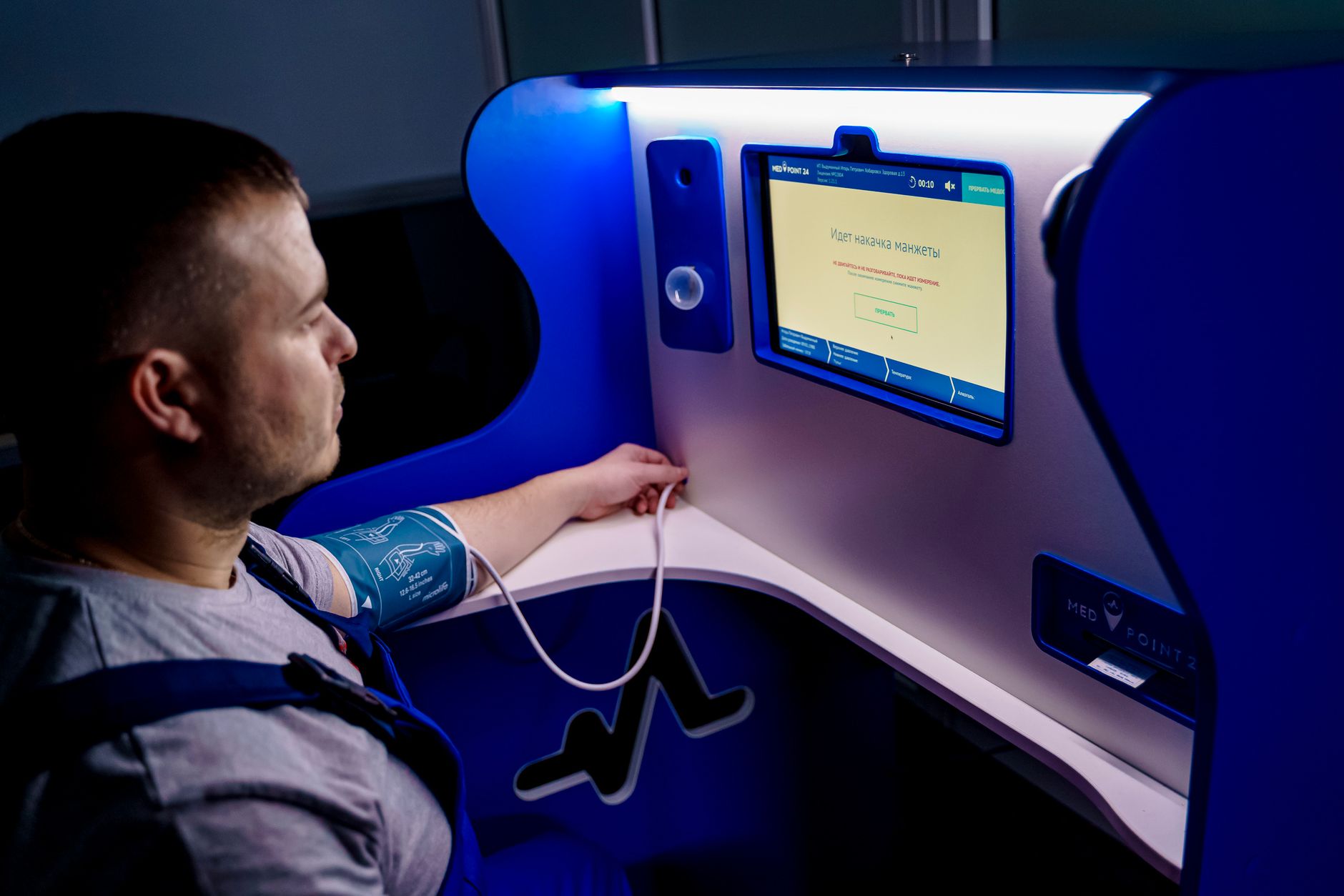
While the global healthcare industry is poised to witness significant transformations, one key question remains: can artificial intelligence (AI) diagnostics and remote patient monitoring effectively bridge the gap in healthcare accessibility and affordability? According to a market research study published by Healthcare Foresights, the demand analysis of Global ECG Patch and Holter Monitor Market size & share revenue was valued at approximately USD 1.87 Billion in 2025 and is expected to reach USD 3.92 Billion by 2035 at a 9.2% CAGR. This staggering growth underscores the rapidly evolving landscape of digital health, where AI is increasingly being leveraged to enhance diagnostic accuracy and patient outcomes.
The Context
The integration of AI in healthcare diagnostics has been gaining momentum, with several companies investing heavily in this space. As reported by GlobeNewswire, AI is transforming chronic kidney disease management, with the growing role of machine learning, deep learning, and predictive analytics in addressing clinical, operational, and economic challenges in kidney care. This trend is also reflected in the launch of new companies, such as QC Healthcare, which is focused on telehealth, clinical research, pharmacy services, artificial intelligence, healthcare analytics, and population health.
What Changed
The recent advancements in AI diagnostics and remote patient monitoring have been driven by several factors, including:
- Advances in machine learning and deep learning algorithms, enabling more accurate diagnostic capabilities
- Increasing adoption of telehealth services, driven by the COVID-19 pandemic
- Growing demand for personalized medicine and patient-centered care
These factors have contributed to the development of innovative solutions, such as AI-powered imaging technologies, which are being used to close the congenital heart gap, as reported by PRNewswire. Additionally, the integration of AI with other technologies, such as the Internet of Medical Things (IoMT), is expected to further enhance the capabilities of remote patient monitoring.
Who Is Affected
The impact of AI diagnostics and remote patient monitoring is being felt across various stakeholders in the healthcare ecosystem, including patients, healthcare providers, payers, and medical device manufacturers. According to a report by Healthcare Foresights, the global ECG patch and Holter monitor market is expected to reach USD 3.92 Billion by 2035, indicating a significant growth opportunity for medical device manufacturers. Moreover, the adoption of AI-powered diagnostic solutions is expected to improve patient outcomes, enhance the quality of care, and reduce healthcare costs.
"The integration of AI in healthcare diagnostics is a game-changer, enabling healthcare providers to make more accurate diagnoses and develop personalized treatment plans. However, it also raises concerns about data privacy, security, and the potential for bias in AI algorithms." — Senior analyst, healthcare technology sector
My Take: The AI-Driven Digital Health Transformation
In my view, the integration of AI in diagnostics and remote patient monitoring is poised to revolutionize the healthcare industry, with the Global ECG Patch and Holter Monitor Market expected to reach USD 3.92 Billion by 2035 at a 9.2% CAGR, as reported by GlobeNewswire. This growth trajectory challenges the mainstream assumption that AI adoption in healthcare will be slow due to regulatory hurdles. However, with the increasing role of machine learning, deep learning, and predictive analytics in addressing clinical, operational, and economic challenges, as seen in the management of chronic kidney disease, I believe that AI will become a cornerstone of digital health transformation. The recent launch of QC Healthcare, a holding company focused on telehealth, clinical research, and AI, further underscores this trend. As we move forward, I anticipate that the next 6-12 months will be crucial in watching how AI imaging companies, such as Ventripoint Diagnostics Ltd, collaborate with global alliances to close the congenital heart disease gap, and how this will ultimately shape the future of healthcare delivery.
Key Risks
While AI diagnostics and remote patient monitoring offer significant benefits, they also pose several risks, including data privacy and security concerns, the potential for bias in AI algorithms, and the need for regulatory frameworks to ensure the safe and effective use of these technologies. As reported by PRNewswire, the use of AI imaging technologies to close the congenital heart gap highlights the need for careful consideration of these risks and the development of strategies to mitigate them. Moreover, the integration of AI with other technologies, such as the IoMT, raises concerns about the potential for cyberattacks and data breaches, underscoring the need for robust security measures to protect patient data.
📰 Sources & References
- Global ECG Patch and Holter Monitor Market Size/Share Worth USD 3.92 Billion by 2035 at a 9.2% CAGR: Healthcare Foresights (Analysis, Outlook, Leaders, Report, Trends, Forecast, Segmentation, Growth Rate, Value, SWOT Analysis) — GlobeNewswire, 2026-06-18
- AI Transforms Chronic Kidney Disease Management as Healthcare Investment Accelerates Globally — GlobeNewswire, 2026-06-18
- wago-plc-mcp-server added to PyPI — Pypi.org, 2026-06-18
- QC Healthcare Launches as a Healthcare Innovation Holding Company Focused on Telehealth, Clinical Research, Pharmacy Services, Artificial Intelligence, Healthcare Analytics, and Population Health — PRNewswire, 2026-06-16
- 16 Million People, One Underserved Disease: The AI Imaging Push to Close the Congenital Heart Gap — PRNewswire, 2026-06-16
Mohamed Ismaili
Senior Technology Analyst at Smart Flow Lab. Mohamed covers artificial intelligence, semiconductor markets, cybersecurity infrastructure, and global digital policy. He has tracked the intersection of technology and geopolitics for over a decade, with a focus on how emerging markets — particularly in Africa and the Middle East — are being reshaped by digital transformation. Based in Morocco.


0 Comments