
Smart Flow Lab | Technology Analysis
Semiconductors Reshaping Global Supply
By Mohamed Ismaili • • Senior Technology Analyst, Smart Flow Lab • 5 min read
Global semiconductor supply chain shifts amid geopolitical tensions
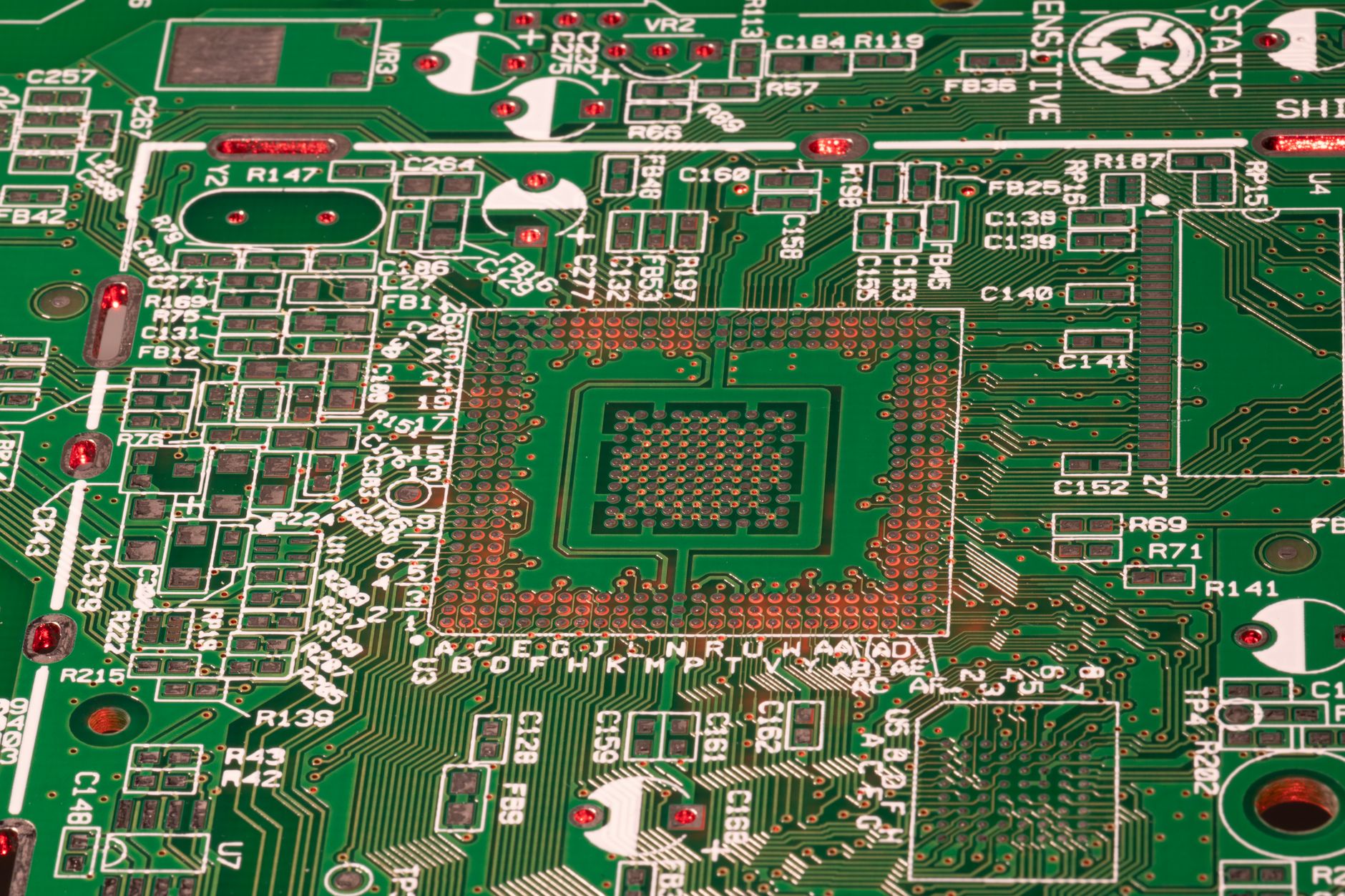
As the global semiconductor supply chain continues to face unprecedented disruptions, a critical question arises: can the tech industry adapt to the shifting landscape of geopolitical tensions and supply chain uncertainties? According to a recent report by BusinessLine, the Sensex has fallen 372 points, settling at 76,728, while the Nifty closes below 24,000, as geopolitical tensions weigh heavily on the market. This volatility has significant implications for the global semiconductor supply chain, which is already facing challenges in meeting the increasing demand for chips.
Background
The semiconductor industry has been a critical component of the global tech ecosystem, with applications ranging from consumer electronics to automotive and industrial systems. However, the industry's complex global supply chain, which involves multiple stakeholders and geographies, has made it vulnerable to disruptions. As Fair Observer notes, technology has become a structural disruptor, and the semiconductor industry is no exception. The recent Fair Observer report highlights the impact of geopolitics on business, which is particularly relevant to the semiconductor industry.
Current Developments
The current geopolitical landscape has led to a significant shift in the global semiconductor supply chain. As Techtarget.com reports, geopolitics is reshaping data protection plans, and the semiconductor industry is not immune to these changes. Some of the key developments in the industry include:
- Increased investment in domestic semiconductor manufacturing to reduce dependence on international suppliers
- Diversification of supply chains to mitigate the risk of disruptions
- Development of new technologies, such as 3D printing and advanced materials, to improve manufacturing efficiency and reduce costs
Market Impact
The shifting landscape of the global semiconductor supply chain has significant implications for the market. As Naturalnews.com notes, the conflict between nations can have a profound impact on the global economy, including the semiconductor industry. The market is likely to experience increased volatility, and companies will need to adapt to the changing landscape to remain competitive.
"The semiconductor industry is at a critical juncture, and companies will need to navigate the complex geopolitical landscape to remain competitive. This will require significant investment in research and development, as well as strategic partnerships and collaborations." — Senior analyst, semiconductor industry
My Take: Semiconductors and the Shifting Global Supply Chain
In my view, the recent shifts in the global semiconductor supply chain are not just a response to geopolitical tensions, but a sign of a more profound transformation in the tech industry. As evidenced by the recent stock market fluctuations, with the Sensex falling 372 points to settle at 76,728 and Nifty closing below 24,000, geopolitical tensions are indeed weighing on the market. However, I believe that the mainstream assumption that the US will maintain its dominance in the semiconductor industry is being challenged by the rise of new players, particularly in Asia. According to recent reports, such as the one by Fair Observer on June 28, geopolitics is forcing companies to make difficult choices, and this is likely to lead to a more decentralized and diversified semiconductor supply chain. In fact, as noted by Techtarget.com on June 26, geopolitics is already reshaping data protection plans, and this trend is likely to continue. In the next 6-12 months, I will be watching closely to see how the global semiconductor supply chain continues to evolve, particularly in response to the ongoing trade tensions and geopolitical conflicts, and how this will impact the industry's growth and innovation.
Outlook
The outlook for the global semiconductor supply chain is uncertain, with ongoing geopolitical tensions and supply chain disruptions. However, the industry is also poised for significant growth, driven by increasing demand for advanced technologies such as artificial intelligence, 5G, and the Internet of Things. As companies navigate the complex landscape, they will need to prioritize adaptability, innovation, and strategic partnerships to remain competitive and thrive in the years to come.
📰 Sources & References
- Sensex today | Stock Market Highlights: Sensex falls 372 pts to settle at 76,728, Nifty closes below 24,000 as geopolitical tensions weigh — BusinessLine, 2026-06-29
- The New Five Forces, Part 2: Geopolitics and Forced Choices — Fair Observer, 2026-06-28
- The New Five Forces, Part 1: Technology as a Structural Disruptor — Fair Observer, 2026-06-27
- Geopolitics reshapes data protection plans — Techtarget.com, 2026-06-26
- How Trump’s War Is Engineered to Save America’s Debt Market While Unleashing Global Despair — Naturalnews.com, 2026-06-25
Mohamed Ismaili
Senior Technology Analyst at Smart Flow Lab. Mohamed covers artificial intelligence, semiconductor markets, cybersecurity infrastructure, and global digital policy. He has tracked the intersection of technology and geopolitics for over a decade, with a focus on how emerging markets — particularly in Africa and the Middle East — are being reshaped by digital transformation. Based in Morocco.


0 Comments