
Smart Flow Lab | Technology Analysis
Biotech Faces AI: Reshaping Drug Discovery
By Mohamed Ismaili • • Senior Technology Analyst, Smart Flow Lab • 5 min read
AI-driven tech boosts biotech efficiency and innovation
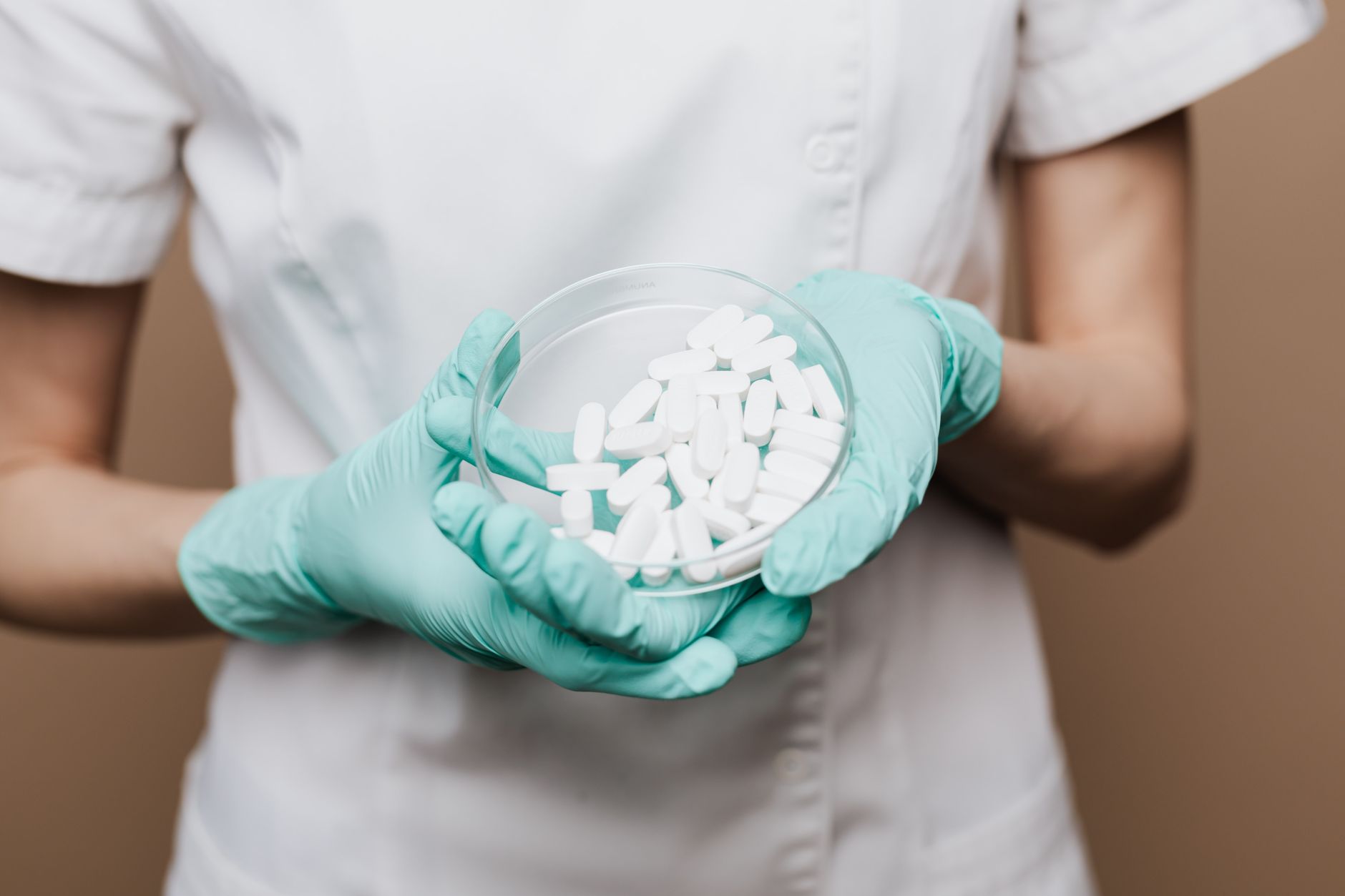
While the global cancer medicine market is expected to reach USD 279.87 billion by 2034, with a compound annual growth rate (CAGR) of 12.51%, according to a recent report by GlobeNewswire, the question remains: can advancements in biotechnology and AI-driven drug discovery efficiency keep pace with the growing demand for innovative treatments? The answer may lie in the convergence of cutting-edge technologies, such as Lab-on-a-Chip and Whole Slide Imaging, which are being increasingly adopted in the biotech industry.
The Context
The biotech industry is undergoing a significant transformation, driven by the integration of artificial intelligence (AI) and biotechnology. According to a report by GlobeNewswire, the global Lab-on-a-Chip market is expected to reach USD 20.62 billion by 2035, growing at a significant rate. This trend is further reinforced by the adoption of AI-powered pathology workflows, such as Whole Slide Imaging, which is expected to value USD 2.49 billion by 2035, expanding at a 6.71% CAGR, as reported by GlobeNewswire.
What Changed
The biotech industry has witnessed a significant shift in recent years, with the advent of AI-driven drug discovery platforms. As noted by Nature.com, researchers like Layla Hosseini-Gerami are leveraging AI modeling to revive failed drugs and discover new medicines. The key factors driving this change include:
- Advances in machine learning algorithms and their application in biotechnology
- Increasing adoption of digital pathology and imaging technologies, such as Whole Slide Imaging
- Growing demand for personalized medicine and targeted therapies
Who Is Affected
The convergence of biotechnology and AI is expected to impact various stakeholders, including pharmaceutical companies, research institutions, and healthcare providers. As the industry continues to evolve, it is likely to create new opportunities for innovation and collaboration, while also posing challenges for those who fail to adapt. According to Nature.com, the lung microbiome has been linked to a mysterious tissue-scarring condition, highlighting the potential for AI-driven discoveries to shed new light on complex diseases.
"The integration of AI and biotechnology has the potential to revolutionize the drug discovery process, enabling researchers to identify new targets and develop more effective treatments. However, it also raises important questions about data quality, regulatory frameworks, and the need for standardized protocols." — Senior analyst, biotechnology sector
My Take: The AI-Driven Biotech Revolution
I firmly believe that the integration of AI in biotechnology is on the cusp of transforming the drug discovery process, and the numbers support this claim - the global Lab-on-a-Chip market is projected to reach $20.62 billion by 2035, according to a recent report by SNS Insider. In my view, this trend will continue to accelerate, driven by the increasing adoption of AI-powered pathology workflows, as evidenced by the Whole Slide Imaging market's expected growth to $2.49 billion by 2035. However, I challenge the mainstream assumption that AI will solely be used to develop new medicines, when in fact, it can also be used to revive failed drugs, as seen in the work of researchers like Layla Hosseini-Gerami, who combines chemistry and biology with AI modeling to find and revive therapeutics with huge potential. Furthermore, the cancer medicine market's expected growth to $279.87 billion by 2034, with a CAGR of 12.51%, underscores the vast opportunities in this space. As we move forward, I will be closely watching how AI-driven biotech companies navigate the complex regulatory landscape and balance the need for innovation with the need for rigorous testing and validation over the next 6-12 months.
Key Risks
As the biotech industry continues to evolve, it is essential to acknowledge the potential risks and challenges associated with the adoption of AI-driven drug discovery platforms. These include concerns about data privacy, intellectual property protection, and the need for robust regulatory frameworks to ensure the safe and effective development of new medicines. Furthermore, the increasing reliance on AI and machine learning algorithms may also create new vulnerabilities, such as the potential for bias in decision-making and the risk of cyber attacks on sensitive data. As the industry moves forward, it is crucial to address these risks and develop strategies to mitigate them, in order to realize the full potential of AI-driven biotechnology and improve human health outcomes.
📰 Sources & References
- Lab-on-a-Chip Market Size to Hit USD 20.62 Billion by 2035 | SNS Insider — GlobeNewswire, 2026-06-10
- Whole Slide Imaging Market to Value USD 2.49 Billion by 2035, Expanding at a 6.71% CAGR | SNS Insider — GlobeNewswire, 2026-06-10
- How I use AI to turn failed drugs into new medicines — Nature.com, 2026-06-10
- [Trending] Cancer Medicine Market Size Expected to Hit USD 279.87 Billion by 2034, With 12.51% CAGR — GlobeNewswire, 2026-06-09
- Daily briefing: Lung microbiome linked to a mysterious tissue-scarring condition — Nature.com, 2026-06-04
Mohamed Ismaili
Senior Technology Analyst at Smart Flow Lab. Mohamed covers artificial intelligence, semiconductor markets, cybersecurity infrastructure, and global digital policy. He has tracked the intersection of technology and geopolitics for over a decade, with a focus on how emerging markets — particularly in Africa and the Middle East — are being reshaped by digital transformation. Based in Morocco.


0 Comments