
Smart Flow Lab | Technology Analysis
Hyperscalers Reshaping Cloud Economics
By Mohamed Ismaili • • Senior Technology Analyst, Smart Flow Lab • 5 min read
Hyperscalers drive cloud cost efficiency in a competitive market
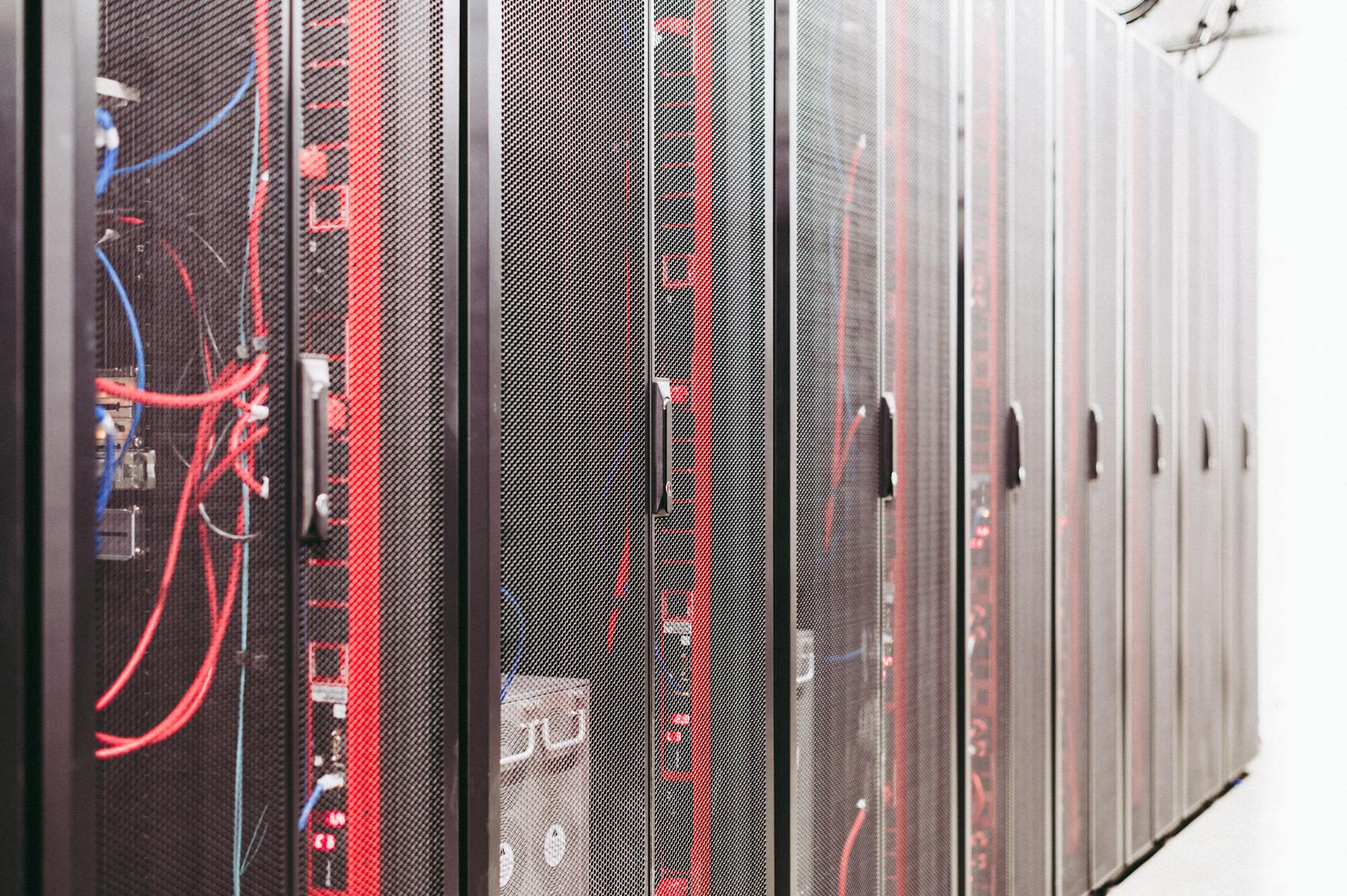
While the demand for cloud computing services continues to surge, a critical question remains: can hyperscalers maintain their cost efficiency in the face of escalating demand for data center CPUs, driven in part by the AI gold rush, as highlighted in a recent article by Tom's Hardware UK? The answer to this question will have significant implications for the future of cloud economics, as the industry grapples with the challenges of meeting growing demand while maintaining profitability.
The Bigger Picture
The cloud computing market is undergoing a significant transformation, driven by the increasing adoption of artificial intelligence and machine learning technologies. According to a recent interview with Microsoft CEO Satya Nadella on Stratechery.com, finding core competencies is crucial for companies like Microsoft to stay competitive in this rapidly evolving landscape. The Federal Reserve has also weighed in on the topic, with a recent speech by Susan Cook highlighting the opportunities and risks that AI presents for the economy and financial system.
Data In Focus
The numbers tell a compelling story. The managed services market, which includes cloud computing, is expected to skyrocket to USD 1083.90 billion by 2035, according to a report by SNS Insider. This growth will be driven in part by the increasing demand for cloud-based services, including AI and machine learning. However, as the demand for data center CPUs continues to surge, hyperscalers will need to find ways to maintain their cost efficiency in order to remain competitive.
Winners And Losers
The hyperscalers that are able to adapt to the changing landscape will be the winners in this new era of cloud economics. Some of the key factors that will determine success include:
- The ability to optimize data center operations and reduce costs
- The development of new technologies and services that meet the evolving needs of customers
- The ability to form strategic partnerships and collaborations to stay ahead of the competition
On the other hand, those that fail to adapt will be left behind. The losers will be the companies that are unable to innovate and evolve, and that fail to meet the changing needs of their customers.
"The hyperscalers that are able to optimize their operations and reduce costs will be the ones that thrive in this new era of cloud economics. It's not just about having the latest and greatest technology, it's about being able to use it efficiently and effectively." — Senior analyst, cloud computing sector
My Take: Hyperscalers Redefine Cloud Economics
In my view, the recent surge in demand for data center CPUs, driven by AI agents, marks a significant shift in the cloud economics landscape. According to a recent article by Tom's Hardware UK, this trend highlights the importance of the CPU to GPU ratio for hyperscalers. I believe this development challenges the mainstream assumption that GPUs will be the primary drivers of cloud computing growth. The fact that the US Managed Services Market is forecasted to rise to USD 329.30 billion by 2035, at a CAGR of 10.92%, as reported by GlobeNewswire, suggests that hyperscalers will continue to play a crucial role in shaping cloud economics. Furthermore, Microsoft CEO Satya Nadella's comments on finding core competencies, as reported by Stratechery.com, imply that hyperscalers are focusing on optimizing their infrastructure to support AI workloads. As we move forward, I expect to see hyperscalers prioritize CPU-centric architectures, and in the next 6-12 months, I will be watching closely to see how this trend impacts the overall cloud services market and whether it leads to a more efficient and cost-effective cloud computing paradigm.
Bottom Line
The hyperscalers that are able to navigate the changing landscape of cloud economics will be the ones that emerge victorious. As the demand for cloud computing services continues to surge, and the demand for data center CPUs driven by AI applications grows, the ability to maintain cost efficiency will be crucial. By optimizing operations, developing new technologies and services, and forming strategic partnerships, hyperscalers can position themselves for success in this new era of cloud economics. The future of cloud computing will be shaped by the ability of hyperscalers to adapt and evolve, and those that fail to do so will be left behind.
📰 Sources & References
- Demand for data center CPUs has surged, and AI agents are responsible – why the CPU to GPU ratio is more important than ever for hyperscalers — Tom's Hardware UK, 2026-06-08
- An Interview with Microsoft CEO Satya Nadella About Finding Core Competencies — Stratechery.com, 2026-06-04
- Show HN: Simple news aggregator with source bias meters — Unbiasthenews.com, 2026-05-29
- Cook, The Opportunities and Risks AI Presents for the Economy and Financial System — Federalreserve.gov, 2026-05-27
- Managed Services Market Set to Skyrocket to USD 1083.90 Billion by 2035 | Research by SNS Insider — GlobeNewswire, 2026-05-26
Mohamed Ismaili
Senior Technology Analyst at Smart Flow Lab. Mohamed covers artificial intelligence, semiconductor markets, cybersecurity infrastructure, and global digital policy. He has tracked the intersection of technology and geopolitics for over a decade, with a focus on how emerging markets — particularly in Africa and the Middle East — are being reshaped by digital transformation. Based in Morocco.

0 Comments