
Smart Flow Lab | Technology Analysis
AI Does Drug Discovery as Biotech Surges
By Mohamed Ismaili • • Senior Technology Analyst, Smart Flow Lab • 5 min read
Advances in biotech and AI transform drug development efficiency
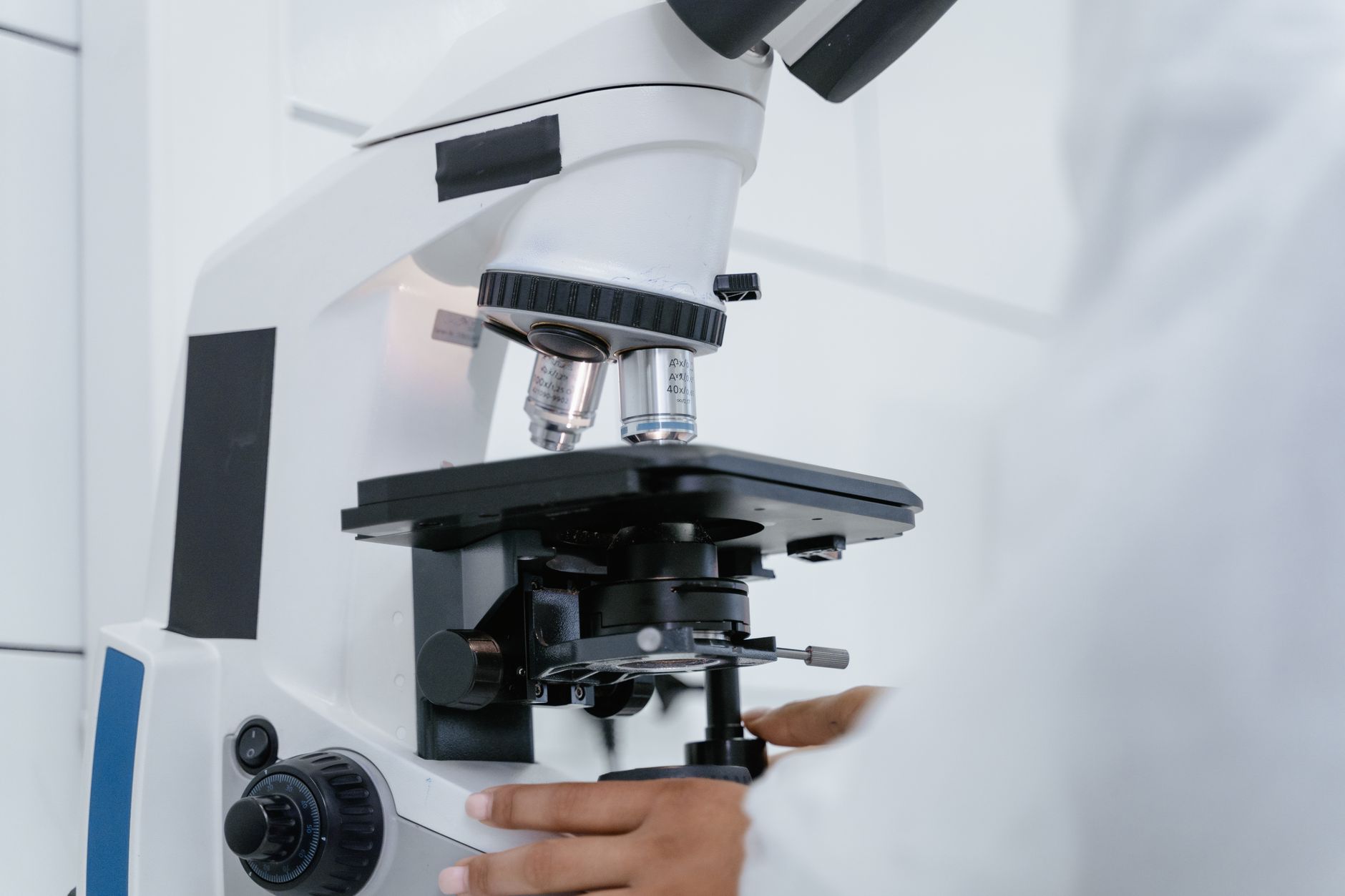
While the global pharmaceutical industry has long been criticized for its slow and costly drug development process, recent advancements in biotechnology and AI-driven drug discovery are poised to revolutionize the sector. According to GlobeNewswire, the pharma predictive analytics market is expected to soar to $9.37 billion by 2031, with a compound annual growth rate (CAGR) of 28.42%. This surge in growth is largely driven by the increasing adoption of artificial intelligence (AI) and machine learning (ML) in drug development, which promises to significantly improve the efficiency and effectiveness of the process.
Background
The biotechnology sector has experienced significant growth in recent years, driven by advances in fields such as genomics, gene editing, and immunotherapy. The increasing recognition of the microbiome's role in cancer and immunotherapy has also led to the emergence of the microbiome-oncology market, which is expected to surge at a CAGR of 40.7% and reach $1.94 billion by 2031, as reported by GlobeNewswire. Furthermore, the global AI and omics sector is being fueled by precision medicine and deep learning innovations, with key market opportunities in AI for omics studies, including the demand for precision medicine and the adoption of AI in drug discovery.
Current Developments
Recent developments in the biotechnology sector have been marked by significant investments in AI-driven drug discovery. For instance, Insilico Medicine has announced a collaboration with Takeda to advance strategic AI drug discovery, leveraging its Pharma.AI platform for novel drug candidates across Takeda's therapeutic areas. Some of the key trends and opportunities in the biotechnology sector include:
- The increasing adoption of AI and ML in drug development, which promises to improve the efficiency and effectiveness of the process.
- The growing recognition of the microbiome's role in cancer and immunotherapy, which is driving the emergence of the microbiome-oncology market.
- The increasing demand for precision medicine, which is driving the adoption of AI in omics studies and the development of personalized healthcare strategies.
Market Impact
The advancements in biotechnology and AI-driven drug discovery are expected to have a significant impact on the pharmaceutical industry. According to GlobeNewswire, the stem cell banking market is projected to reach $31.58 billion by 2035, with a CAGR of 12.22%. This growth is driven by the increasing demand for regenerative medicine and the adoption of AI in drug discovery, which promises to improve the efficiency and effectiveness of the process.
The integration of AI and biotechnology has the potential to revolutionize the pharmaceutical industry, enabling the development of more effective and personalized treatments. As the sector continues to evolve, we can expect to see significant investments in AI-driven drug discovery and the emergence of new market opportunities — Senior analyst, biotechnology sector
My Take: The AI-Driven Biotech Surge
In my view, the recent surge in biotechnology, particularly in AI-driven drug discovery, is not just a fleeting trend but a paradigm shift in the way we approach healthcare. The pharma predictive analytics market, for instance, is expected to soar to $9.37 billion by 2031 with a 28.42% CAGR growth, as reported by GlobeNewswire. While many assume that this growth will be driven solely by the adoption of AI in drug discovery, I believe that the real game-changer will be the integration of AI with omics studies, such as the microbiome's role in cancer and immunotherapy, which is expected to reach $1.94 billion by 2031 with a 40.7% CAGR. The collaboration between Insilico Medicine and Takeda to advance strategic AI drug discovery is a prime example of this trend. However, I challenge the mainstream assumption that this growth will be linear and uninterrupted - in reality, regulatory hurdles and concerns over data compliance will likely slow down the pace of innovation. As we move forward, I will be watching closely to see how the intersection of AI, omics, and biotechnology plays out in the next 6-12 months, particularly in the context of precision medicine and personalized healthcare.
Outlook
As the biotechnology sector continues to evolve, we can expect to see significant advancements in AI-driven drug discovery and the emergence of new market opportunities. The increasing adoption of AI and ML in drug development promises to improve the efficiency and effectiveness of the process, enabling the development of more effective and personalized treatments. With the pharma predictive analytics market expected to soar to $9.37 billion by 2031 and the stem cell banking market projected to reach $31.58 billion by 2035, the future of the biotechnology sector looks promising, driven by the integration of AI and biotechnology.
📰 Sources & References
- Pharma Predictive Analytics Market Soars to $9.37 Billion by 2031 with 28.42% CAGR Growth — GlobeNewswire, 2026-07-03
- Revolutionizing Cancer Treatment: Global Microbiome Oncology Market Set to Surge at 40.7% CAGR, Reaching $1.94 Billion by 2031 — GlobeNewswire, 2026-07-03
- Global AI and Omics Sector Fueled by Precision Medicine and Deep Learning Innovations — GlobeNewswire, 2026-07-03
- Stem Cell Banking Market Size to Hit USD 31.58 Billion by 2035 with 12.22% CAGR | SNS Insider — GlobeNewswire, 2026-07-02
- Insilico Medicine Announces Collaboration with Takeda to Advance Strategic AI Drug Discovery — PRNewswire, 2026-07-02
Mohamed Ismaili
Senior Technology Analyst at Smart Flow Lab. Mohamed covers artificial intelligence, semiconductor markets, cybersecurity infrastructure, and global digital policy. He has tracked the intersection of technology and geopolitics for over a decade, with a focus on how emerging markets — particularly in Africa and the Middle East — are being reshaped by digital transformation. Based in Morocco.


0 Comments