
Smart Flow Lab | Technology Analysis
Enterprises Face AI Dilemma as Open-Source Reshaping
By Mohamed Ismaili • • Senior Technology Analyst, Smart Flow Lab • 5 min read
Enterprises weigh open-source AI models against proprietary systems
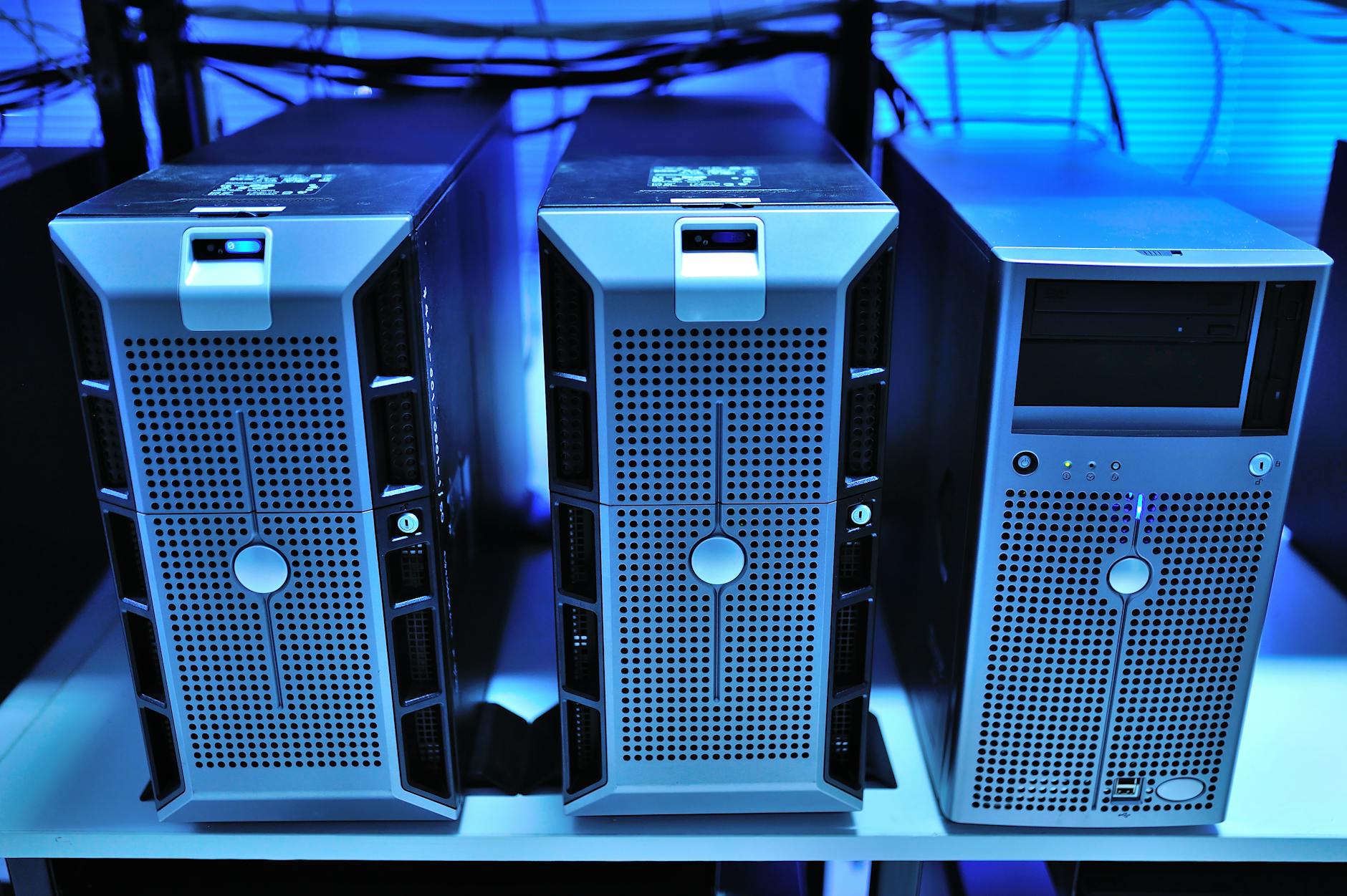
While the AI industry is abuzz with the potential of open-source models to democratize access to artificial intelligence, a growing number of enterprises are grappling with a dilemma: whether to adopt open-source AI models or stick with proprietary systems. According to recent research, estimates range from 60% to 80% of companies are already using some form of AI, but the question remains, what are the implications of this choice? As Braden Kelley notes, digital transformation has reached an inflection point, and the choice between open-source and proprietary AI systems is becoming increasingly critical.
The Context
The rise of open-source AI models has been fueled by the availability of large datasets and advancements in machine learning algorithms. As Includesecurity.com recently reported, even ordinary consumer devices, such as smart TVs, are being leveraged as exit nodes in commercial proxy networks to scrape web data and train language learning models. This has significant implications for enterprises, which must now navigate a complex landscape of open-source and proprietary AI systems.
What Changed
Several factors have contributed to the growing adoption of open-source AI models in enterprises. Some of the key changes include:
- Advances in machine learning algorithms, which have improved the accuracy and efficiency of open-source models
- The increasing availability of large datasets, which has enabled the training of more sophisticated AI models
- The growing demand for transparency and explainability in AI decision-making, which open-source models can provide
As Digital Journal recently noted, responsible AI requires a system architecture that can enforce operational principles, rather than just stated principles. This has led to a growing interest in open-source AI models, which can provide the transparency and explainability that enterprises need.
Who Is Affected
The choice between open-source and proprietary AI systems affects a wide range of stakeholders, from enterprise leaders to individual consumers. As Techtarget.com recently reported, the development of autonomous AI worms that can reason and adapt has significant implications for enterprise security. Meanwhile, Coffeecontracts.com notes that real estate agents are using AI-powered marketing tools to generate leads and improve customer engagement.
"The growing adoption of open-source AI models is a double-edged sword for enterprises. On the one hand, it provides access to cutting-edge technology and reduces costs. On the other hand, it raises significant concerns about security, transparency, and accountability." — Senior analyst, AI sector
My Take: The Open-Source AI Conundrum
In my view, the recent surge in open-source AI models is poised to disrupt the traditional proprietary systems, and enterprises must navigate this dilemma carefully. The fact that ordinary consumer TVs are being turned into exit nodes for commercial proxy networks to scrape web data and train language learning models underscores the complexity of this issue. Contrary to the mainstream assumption that open-source AI models are inherently less secure, I believe that the transparency and community-driven development of these models can actually lead to more robust security protocols. For instance, the mechanistic interpretability framework for agentic AI trust proposed by researchers can provide a new paradigm for trust in AI systems. As we move forward, I expect to see a significant shift in the way enterprises approach AI adoption, with a growing emphasis on open-source models and community-driven development, and in the next 6-12 months, I will be watching closely to see how the development of autonomous AI systems, such as the AI worm created by University of Toronto researchers, will impact the security landscape.
Key Risks
The choice between open-source and proprietary AI systems is not without risks. Some of the key risks include the potential for security breaches, the lack of transparency and explainability in AI decision-making, and the risk of vendor lock-in. As enterprises navigate this complex landscape, they must carefully weigh the benefits and risks of each approach and develop a strategy that meets their unique needs and goals. According to Includesecurity.com, the use of open-source AI models can also raise significant concerns about data privacy and security, particularly if consumer devices are being leveraged as exit nodes in commercial proxy networks.
📰 Sources & References
- The Smart TV in Your LivingRoom Is a Node in the AIScraping Economy — Includesecurity.com, 2026-06-06
- 11 Best Real Estate Marketing Tools for Agents | Coffee & Contracts — Coffeecontracts.com, 2026-06-06
- The Anatomy of Agentic Trust — Bradenkelley.com, 2026-06-06
- Researchers build autonomous AI worm that can reason and adapt — Techtarget.com, 2026-06-05
- The AI architect who scaled a multilingual safety system to 60 million users explains what responsible AI actually looks like — Digital Journal, 2026-06-05
Mohamed Ismaili
Senior Technology Analyst at Smart Flow Lab. Mohamed covers artificial intelligence, semiconductor markets, cybersecurity infrastructure, and global digital policy. He has tracked the intersection of technology and geopolitics for over a decade, with a focus on how emerging markets — particularly in Africa and the Middle East — are being reshaped by digital transformation. Based in Morocco.


0 Comments