
Smart Flow Lab | Technology Analysis
Autonomous Vehicles Reshaping Transport
By Mohamed Ismaili • • Senior Technology Analyst, Smart Flow Lab • 5 min read
Regulators face challenges as autonomous vehicles reshape transport policy
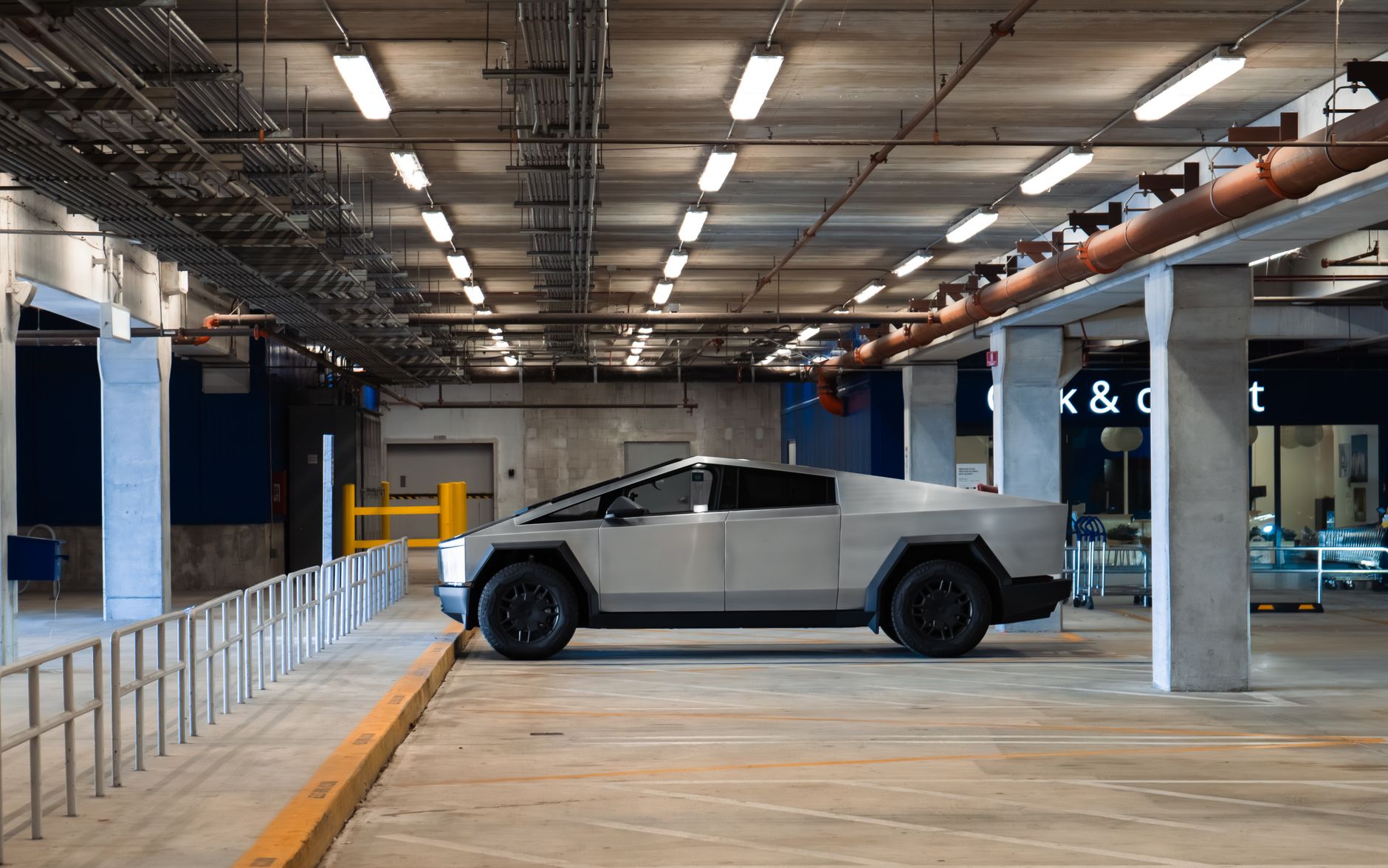
As the world watches the rapid development of autonomous vehicles, a surprising fact has emerged: the US Department of Transportation has proposed dropping the brake pedal requirement for fully autonomous vehicles, a move that could significantly reshape the transport industry. According to The Next Web, this rule change, if adopted, would eliminate one of the major hurdles in the development of fully autonomous vehicles. But what does this mean for the future of transportation, and what are the regulatory implications of such a change?
The Context
The development of autonomous vehicles has been gaining momentum in recent years, with companies like Tesla and Zoox leading the charge. However, the regulatory framework surrounding these vehicles has been a major point of contention. The proposed rule change by the US Department of Transportation aims to shift the focus from traditional vehicle design to a more performance-based approach, which could accelerate innovation in autonomous vehicle design. As Crypto Briefing notes, this change could have a significant impact on transportation and business models.
What Changed
The proposed rule change is a significant departure from traditional vehicle design, which has always required a brake pedal. The new approach would focus on the performance of the vehicle's automated driving system, rather than its design. Some of the key changes include:
- Removal of the brake pedal requirement for fully autonomous vehicles
- A shift towards performance-based standards for autonomous vehicle design
- Potential for increased innovation in autonomous vehicle design
As GlobeNewswire reports, the automotive cybersecurity market is expected to reach $25.74 billion by 2034, growing at a CAGR of 17.2%. This highlights the increasing importance of cybersecurity in the development of autonomous vehicles.
Who Is Affected
The proposed rule change would have a significant impact on companies involved in the development of autonomous vehicles, such as Tesla, Zoox, and Uber. According to GlobeNewswire, WeRide and Uber are planning to launch a commercial robotaxi service in Zurich, which would be a significant milestone in the development of autonomous vehicles.
"The removal of the brake pedal requirement is a significant step towards the development of fully autonomous vehicles. However, it also raises important questions about safety and regulatory oversight." — Senior analyst, automotive sector
My Take: Autonomous Vehicles at a Regulatory Crossroads
I believe that the recent proposal by the Trump administration's Department of Transportation to remove the federal requirement for brake pedals in fully autonomous vehicles is a significant step towards accelerating innovation in the industry. As reported by The Next Web and Crypto Briefing, this move could lead to a shift towards performance-based standards, which would enable manufacturers to focus on designing safer and more efficient vehicles. However, I also think that the mainstream assumption that autonomous vehicles will be widely adopted in the near future overlooks the significant cybersecurity concerns that need to be addressed, with the automotive cybersecurity market expected to reach $25.74 billion by 2034. Additionally, the recent announcement by WeRide and Uber to launch a commercial robotaxi service in Zurich is a promising development, but it remains to be seen how these services will be received by the public. In my view, the next 6-12 months will be crucial in determining the trajectory of the autonomous vehicle industry, and I will be watching closely to see how regulators and manufacturers address the complex issues surrounding cybersecurity and public adoption.
Key Risks
While the proposed rule change has the potential to accelerate innovation in autonomous vehicle design, it also raises important questions about safety and regulatory oversight. One of the key risks is the potential for increased cybersecurity threats, as autonomous vehicles become more connected and reliant on complex software systems. As the GlobeNewswire report highlights, the automotive cybersecurity market is expected to grow significantly in the coming years, which underscores the need for robust cybersecurity measures to protect against potential threats.
📰 Sources & References
- Trump DOT proposes dropping the brake pedal requirement for fully autonomous vehicles — The Next Web, 2026-06-25
- US Department of Transportation moves to remove brake pedal requirement for driverless vehicles — Crypto Briefing, 2026-06-25
- Automotive Cybersecurity Market Expected to Reach US$ 25.74 Billion at 17.2% CAGR by 2034 — GlobeNewswire, 2026-06-19
- WeRide and Uber Plan to Launch Commercial Robotaxi Service in Zurich, Expanding European Partnership — GlobeNewswire, 2026-06-17
- Final Results — GlobeNewswire, 2026-06-17
Mohamed Ismaili
Senior Technology Analyst at Smart Flow Lab. Mohamed covers artificial intelligence, semiconductor markets, cybersecurity infrastructure, and global digital policy. He has tracked the intersection of technology and geopolitics for over a decade, with a focus on how emerging markets — particularly in Africa and the Middle East — are being reshaped by digital transformation. Based in Morocco.


0 Comments