
Smart Flow Lab | Technology Analysis
Quantum Crack
By Mohamed Ismaili • May 25, 2026 • Senior Technology Analyst
Quantum computers threaten modern encryption.
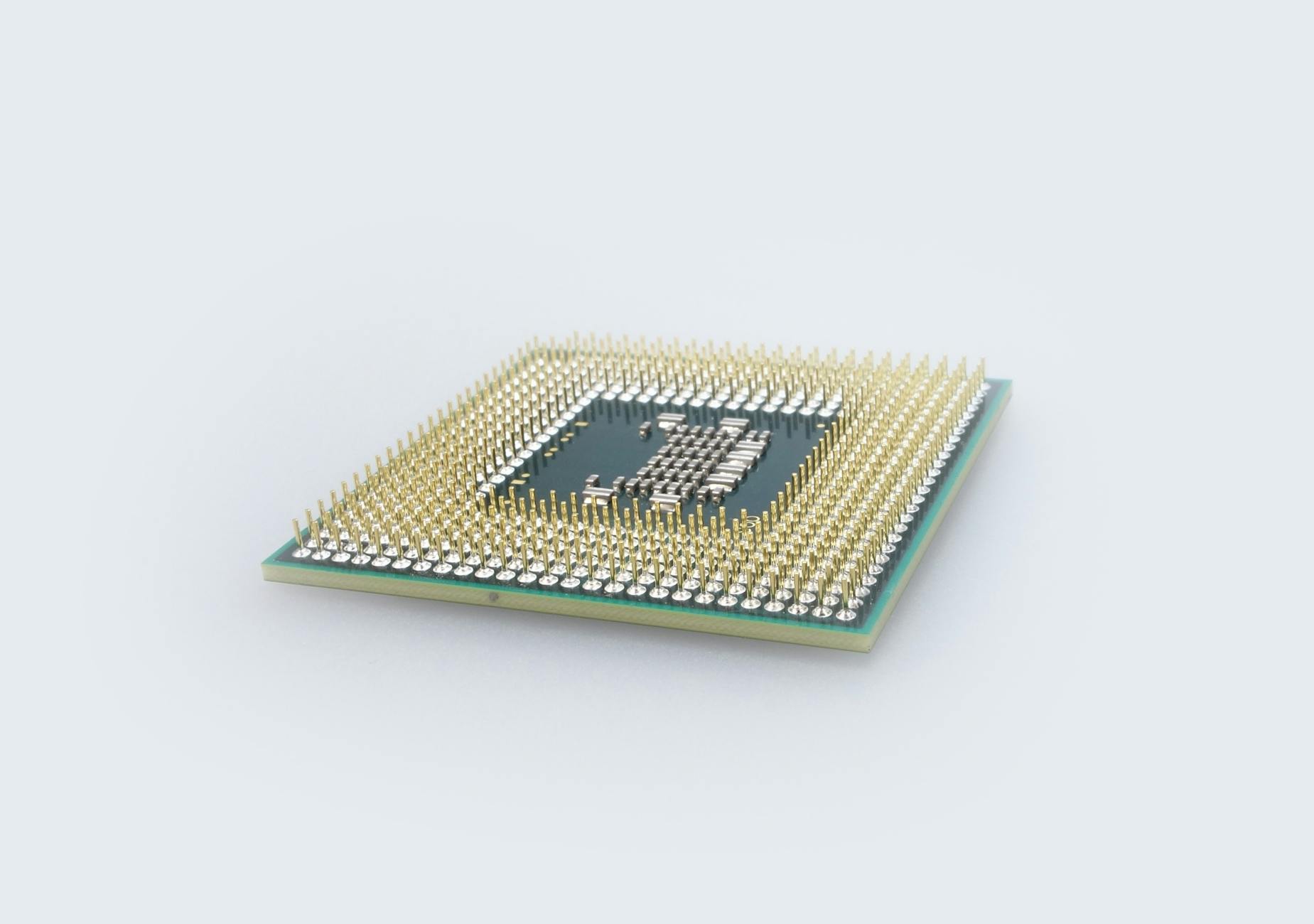
The advent of quantum computing has sent shockwaves throughout the technology industry, with many experts warning of an impending "quantum crack" that could render modern encryption standards obsolete. As Scientific American notes, quantum computing could lead to revolutions in cryptography, materials design, and telecommunications, but fulfilling those promises could be many years away. However, with the rapid advancements in quantum computing, the threat to modern encryption standards is becoming increasingly real. According to SiliconANGLE News, the security landscape is entering uncharted territory as quantum computing moves from theoretical threat to near-term enterprise reality, and the race to post-quantum encryption is one most organizations are not yet ready to run.
Market Context
The market context for quantum computing is rapidly evolving, with many industry experts believing that quantum computing will complement traditional computing architectures, rather than replace them. As SiliconANGLE News reports, the way to look at quantum computing is not as a replacement for traditional computing architectures, but rather as a complement to them. This has led to a surge in investment and research in the field, with many companies, including HP, exploring the potential of quantum computing. Additionally, the rise of agentic artificial intelligence is transforming the enterprise world, creating new security gaps and highlighting the need for post-quantum encryption. As SiliconANGLE News notes, the rise of the AI factory, a system designed to continuously transform data into intelligence at industrial scale, has led organizations to re-evaluate their security strategies.
Technical Analysis
From a technical perspective, quantum computing has the potential to solve complex problems that are currently unsolvable with traditional computing architectures. As Scientific American notes, quantum computers could lead to revolutions in cryptography, materials design, and telecommunications. However, the technical challenges associated with building a practical quantum computer are significant. According to SiliconANGLE News, the development of post-quantum encryption is a complex task, requiring significant advances in cryptography and materials science. Furthermore, the integration of quantum computing with traditional computing architectures is a major technical challenge, requiring the development of new software and hardware interfaces. As Veem introduces new backup management and cybersecurity features, it is clear that companies are taking steps to protect themselves from the potential threats posed by quantum computing.
Industry Impact
The potential impact of quantum computing on the industry is significant, with many experts warning of a "quantum crack" that could render modern encryption standards obsolete. As SiliconANGLE News reports, the race to post-quantum encryption is one most organizations are not yet ready to run. This has significant implications for companies that rely on encryption to protect their data, including financial institutions, healthcare organizations, and government agencies. According to Scientific American, the development of post-quantum encryption is a complex task, requiring significant advances in cryptography and materials science. Industry observers suggest that companies must begin to prepare for a post-quantum world, by investing in research and development, and by developing new security strategies that take into account the potential threats posed by quantum computing.
The quantum crack is a ticking time bomb, and companies must take steps to protect themselves from the potential threats posed by quantum computing. This includes investing in research and development, and developing new security strategies that take into account the potential threats posed by quantum computing — Senior analyst, Cybersecurity sector
In summary, the advent of quantum computing has significant implications for the industry, with many experts warning of an impending "quantum crack" that could render modern encryption standards obsolete. As Scientific American notes, quantum computing could lead to revolutions in cryptography, materials design, and telecommunications, but fulfilling those promises could be many years away. However, with the rapid advancements in quantum computing, the threat to modern encryption standards is becoming increasingly real. Companies must begin to prepare for a post-quantum world, by investing in research and development, and by developing new security strategies that take into account the potential threats posed by quantum computing. As the industry continues to evolve, it is clear that the development of post-quantum encryption will be a critical component of any company's security strategy, and those that fail to adapt will be left vulnerable to the potential threats posed by quantum computing.
📰 Sources & References
- Inside the race to connect quantum and exascale computing — SiliconANGLE News, 2026-05-20
- Encryption standards face a reckoning as quantum computing era edges closer — SiliconANGLE News, 2026-05-20
- Which problems will quantum computers solve—and when? — Scientific American, 2026-05-19
- Three insights you might have missed from theCUBE’s coverage of the ‘Securing the AI Factory’ event — SiliconANGLE News, 2026-05-13
- Veeam introduces new backup management, cybersecurity features — SiliconANGLE News, 2026-05-13
Senior Technology Analyst at Smart Flow Lab — covering AI systems, semiconductor markets, cybersecurity, and digital infrastructure policy. Based in Morocco.


0 Comments