
Smart Flow Lab | Technology Analysis
Cloud Cash Clash
By Mohamed Ismaili • May 23, 2026 • Senior Technology Analyst
Hyperscalers compete in cloud cost efficiency
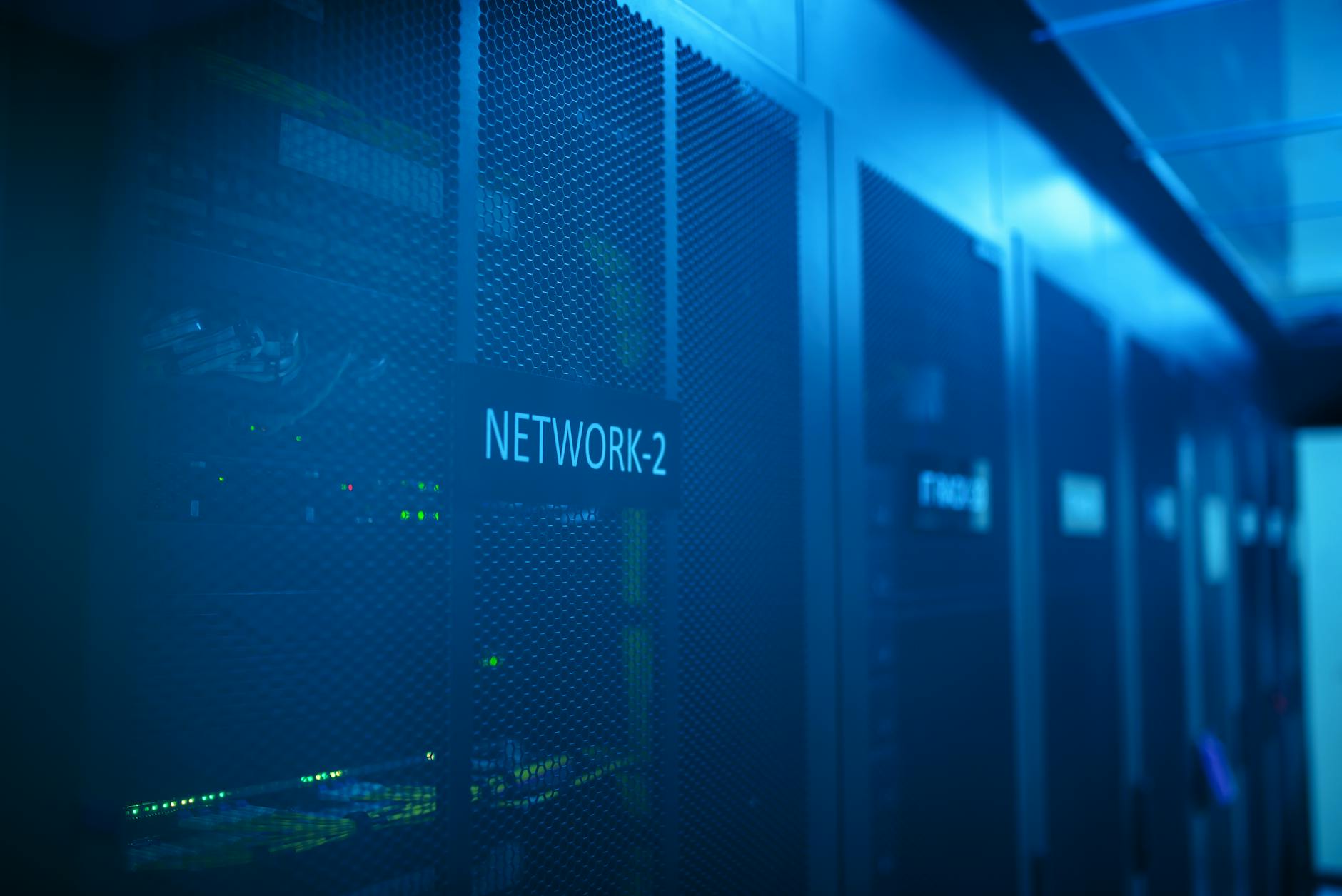
The economics of cloud computing has become a critical aspect of the technology industry, with hyperscalers competing fiercely to provide the most cost-efficient solutions. As Wheresyoured.at recently noted, the high costs associated with AI development and deployment have become a significant concern, with many companies struggling to balance their budgets. The article "AI Is Too Expensive" highlights the challenges faced by companies like NVIDIA, Anthropic, and OpenAI, which are investing heavily in AI research and development. This has led to a surge in demand for cloud computing services, with companies seeking to reduce their infrastructure costs and improve scalability.
The Challenge
The main challenge facing hyperscalers is to provide cost-efficient cloud computing solutions that meet the growing demands of AI and machine learning workloads. According to Modal.com, cutting inference cold starts by 40x with LP, FUSE, C/R, and CUDA-checkpoint can significantly improve the performance of cloud-based AI applications. However, this requires significant investments in infrastructure, including high-performance GPUs and advanced storage systems. As 24/7 Wall St. reports, Seagate and Western Digital are experiencing increased pricing power due to the growing demand for AI storage, which is driving up costs for hyperscalers.
The Solution Landscape
To address the cost efficiency challenge, hyperscalers are exploring various solutions, including:
- Serverless computing models, which allow companies to pay only for the resources they use, reducing waste and improving cost efficiency.
- Specialized AI hardware, such as GPUs and TPUs, which can accelerate AI workloads and reduce costs.
- Advanced storage systems, such as SSDs and HDDs, which can provide high-performance storage for AI applications.
- Edge computing, which can reduce latency and improve performance by processing data closer to the source.
As Wheresyoured.at notes in the article "Where Are All The Data Centers?", the growing demand for cloud computing services is driving the construction of new data centers, which will be critical to supporting the growth of AI and machine learning workloads.
Numbers in Context
The financial results of companies like WhiteFiber, Inc., which provides AI infrastructure and high-performance computing solutions, provide insight into the economics of cloud computing. According to PRNewswire, WhiteFiber, Inc. reported its first quarter 2026 results, which included revenue growth driven by increasing demand for AI and machine learning solutions. While the exact numbers are not publicly available, estimates vary, and industry reports suggest ranges of $100 million to $500 million in revenue for similar companies. The cost of providing these services, however, is significant, with companies like NVIDIA and Anthropic investing heavily in research and development.
"Cloud computing is a highly competitive market, and hyperscalers must balance their desire to innovate with the need to control costs. As AI and machine learning workloads continue to grow, companies will need to find ways to improve efficiency and reduce waste, while also investing in new technologies and infrastructure." — Senior analyst, cloud computing sector
Looking forward, the cloud computing market is expected to continue growing, driven by increasing demand for AI and machine learning solutions. Hyperscalers will need to navigate the complex landscape of cost efficiency, innovation, and customer demand, all while managing their own financial performance. As the market continues to evolve, it will be critical for companies to stay ahead of the curve, investing in new technologies and infrastructure while also controlling costs and improving efficiency. According to Modal.com, the use of specialized AI hardware and advanced storage systems will be critical to supporting the growth of AI and machine learning workloads, and companies that can balance innovation with cost efficiency will be well-positioned for success. Ultimately, the future of cloud computing will depend on the ability of hyperscalers to provide cost-efficient, high-performance solutions that meet the growing demands of AI and machine learning workloads.
📰 Sources & References
- AI Is Too Expensive — Wheresyoured.at, 2026-05-19
- Cutting inference cold starts by 40x with LP, FUSE, C/R, and CUDA-checkpoint — Modal.com, 2026-05-18
- Seagate and Western Digital: AI Storage Demand Is Now Showing Up in Pricing Power — 24/7 Wall St., 2026-05-16
- Where Are All The Data Centers? — Wheresyoured.at, 2026-05-15
- WhiteFiber, Inc. Reports First Quarter 2026 Results — PRNewswire, 2026-05-14
Senior Technology Analyst at Smart Flow Lab — covering AI systems, semiconductor markets, cybersecurity, and digital infrastructure policy. Based in Morocco.


0 Comments