
Smart Flow Lab | Technology Analysis
Chips Get Brainy
By Mohamed Ismaili • May 16, 2026 • Senior Technology Analyst
AI chips now 70% more energy-efficient
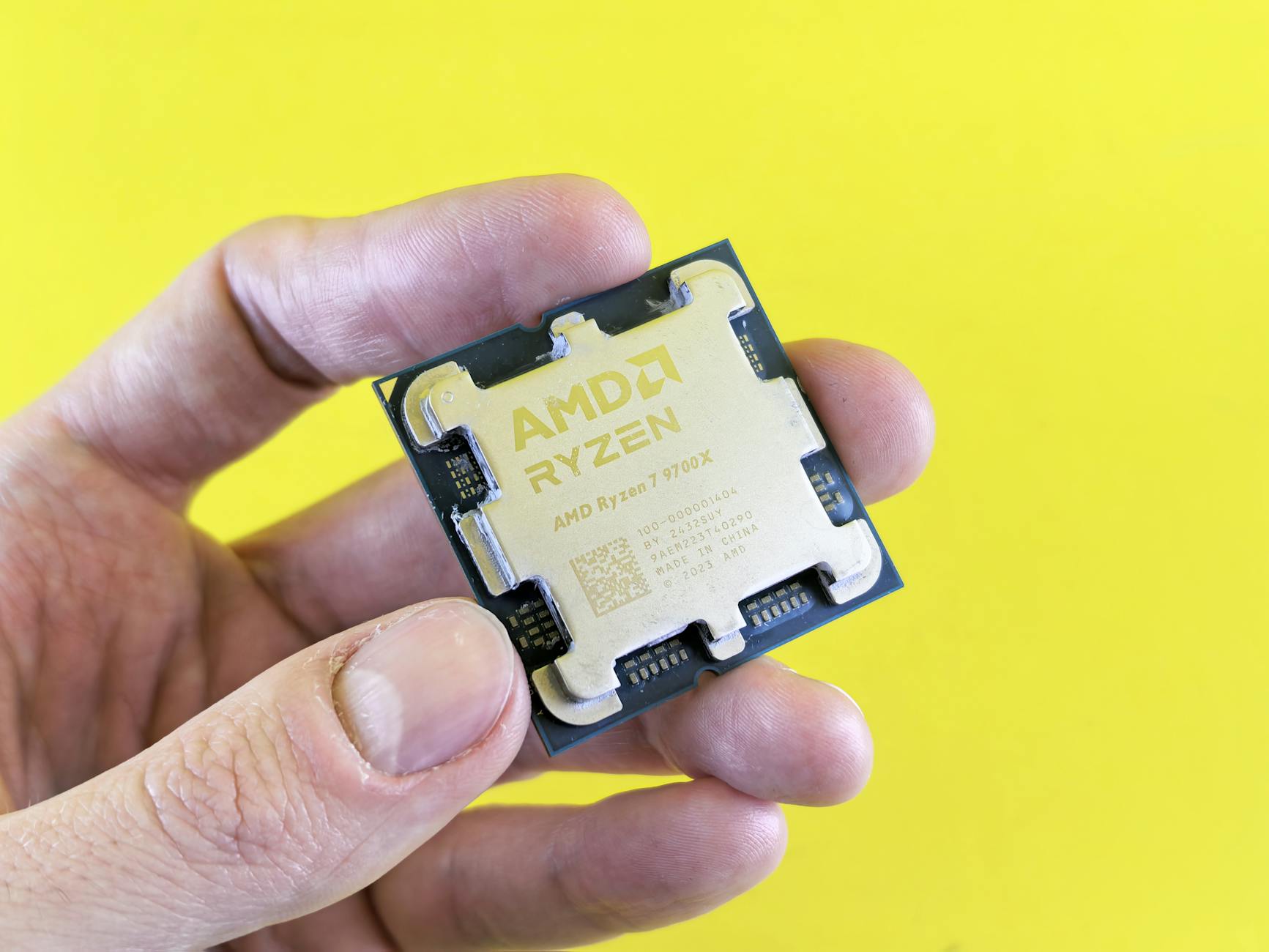
The notion that artificial intelligence (AI) must come at the cost of exorbitant energy consumption is being challenged by the emergence of brain-inspired AI chips, which have been shown to reduce energy consumption by a staggering 70 percent. This development has significant implications for the tech industry, as it could enable the widespread adoption of AI technologies without the accompanying environmental and financial burdens.
The Case For
The case for brain-inspired AI chips is built on the premise that they can mimic the efficiency of the human brain, which is capable of processing vast amounts of information while consuming relatively little energy. According to a report by Mordor Intelligence, the customer data platform market is projected to register a CAGR of 23.47% during 2026–2031, driven in part by the rising demand for AI-powered personalization and real-time analytics. This growth is likely to be fueled by the development of more efficient AI chips, such as those inspired by the human brain. Some of the key arguments in favor of brain-inspired AI chips include:
- Reduced energy consumption: Brain-inspired AI chips have been shown to reduce energy consumption by up to 70 percent, making them a more sustainable option for businesses and individuals.
- Increased efficiency: These chips are designed to mimic the efficiency of the human brain, allowing them to process complex information quickly and accurately.
- Improved scalability: Brain-inspired AI chips can be scaled up or down depending on the needs of the application, making them a versatile option for a wide range of uses.
The Case Against
While brain-inspired AI chips offer many advantages, there are also potential drawbacks to consider. One of the primary concerns is the complexity of these chips, which can make them more difficult to design and manufacture. Additionally, the use of brain-inspired AI chips may require significant changes to existing software and hardware infrastructure, which can be a barrier to adoption. For example, the recent outage of Google Nest devices highlights the risks associated with relying on complex, cloud-dependent technologies. As reported by Ibtimes.com.au, the outage affected app connectivity, cameras, and thermostats, causing frustration and security concerns among users.
Evidence from the Field
There are several examples of brain-inspired AI chips being used in real-world applications. For instance, ZTE recently showcased its AI-integrated networks at the GSMA M360 LATAM 2026 conference, demonstrating how these technologies can cut costs, boost 5G efficiency, and help regional telcos shift beyond basic connectivity. Similarly, a report by Techmonitor.ai highlights the potential of 5G in manufacturing, enabling real-time data, automation, and measurable gains. According to the report, 5G is reshaping how businesses build and justify digital investment, with many companies already seeing significant returns on their investments.
"The development of brain-inspired AI chips is a game-changer for the tech industry, enabling the creation of more efficient, scalable, and sustainable AI systems. As a semiconductor policy analyst, I believe that these chips have the potential to drive significant innovation and growth in the years to come." — Semiconductor policy analyst
Balancing Act
The development and adoption of brain-inspired AI chips require a delicate balancing act between competing priorities. On the one hand, there is a need to drive innovation and growth in the tech industry, which is likely to be fueled by the development of more efficient and sustainable AI technologies. On the other hand, there are concerns about the potential risks and drawbacks associated with these technologies, including the complexity of design and manufacture, as well as the potential for job displacement and other negative social impacts. According to a report by Morgan Stanley, the US economy is likely to experience a shift from consumption to capital expenditure in 2026, which could have significant implications for the tech industry and the development of brain-inspired AI chips. As the industry continues to evolve, it will be important to carefully weigh these competing priorities and ensure that the benefits of brain-inspired AI chips are equitably distributed.
In conclusion, the emergence of brain-inspired AI chips has the potential to revolutionize the tech industry, enabling the creation of more efficient, scalable, and sustainable AI systems. While there are potential drawbacks to consider, the benefits of these chips are clear, and they are likely to play a key role in driving innovation and growth in the years to come. As the industry continues to evolve, it will be important to carefully balance competing priorities and ensure that the benefits of brain-inspired AI chips are equitably distributed. With the customer data platform market projected to register a CAGR of 23.47% during 2026–2031, and the potential for 5G to enable real-time data, automation, and measurable gains in manufacturing, the future of brain-inspired AI chips looks bright, and their impact is likely to be felt across a wide range of industries and applications.
📰 Sources & References
- Customer Data Platform Market 2031: USD 13.14 Billion Driven by AI Personalization and Unified Customer Insights – Reports Mordor Intelligence — GlobeNewswire, 2026-05-15
- From bum massage boards to backrests: check out cycling’s weirdest saddles — road.cc, 2026-05-15
- Elon Musk vs Jensen Huang 2026: Who Is the Superior Entrepreneur and CEO? — Ibtimes.com.au, 2026-05-15
- ZTE showcases at GSMA M360 LATAM 2026, driving future business model restructuring - AI & network two-way integration — Theregister.com, 2026-05-15
- Building the business case for 5G in manufacturing — Techmonitor.ai, 2026-05-15
- Google Nest Down? Widespread App and Device Issues Hit Smart Homes on May 15 — Ibtimes.com.au, 2026-05-15
- Morgan Stanley sends stark message on 2026 U.S. economy — TheStreet, 2026-05-15
Senior Technology Analyst at Smart Flow Lab — covering AI systems, semiconductor markets, cybersecurity, and digital infrastructure policy. Based in Morocco.


0 Comments